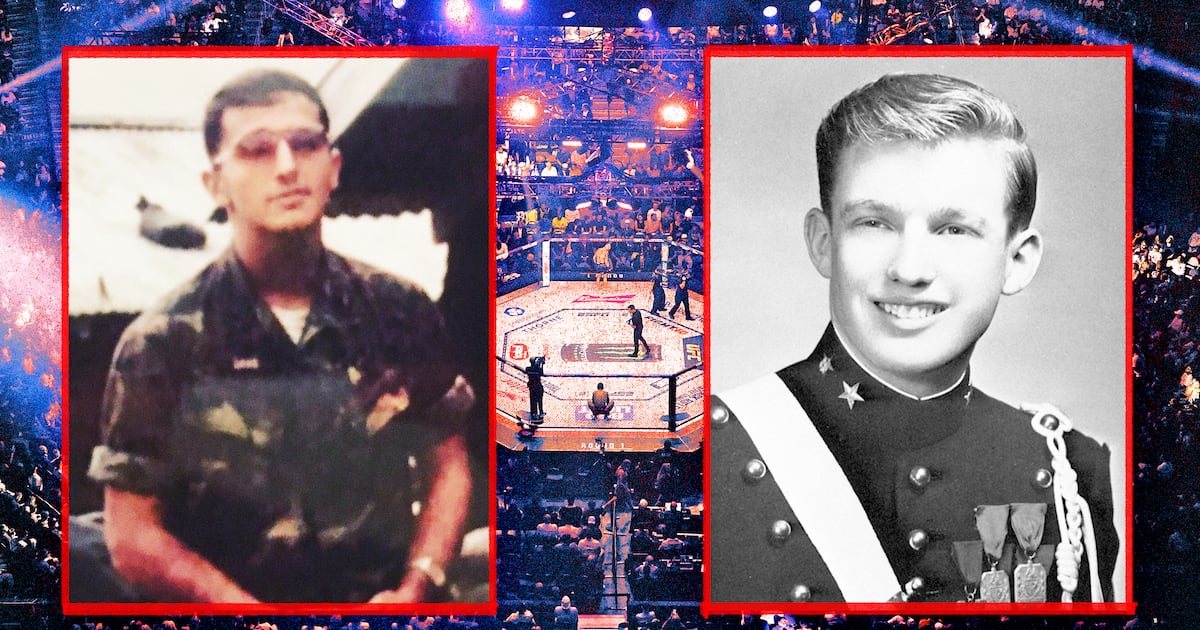
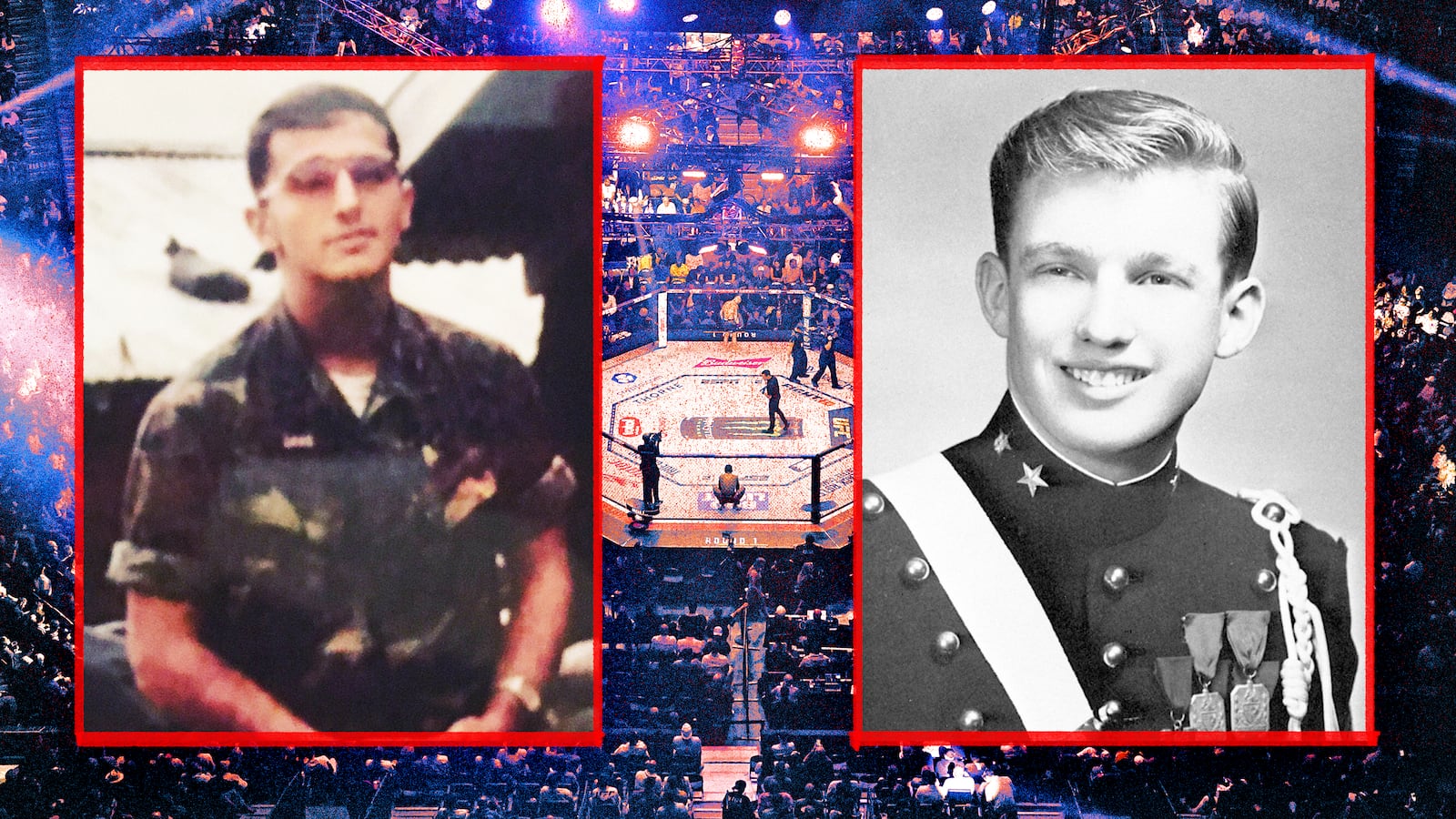
The future president of the United States was the first to arrive and claimed the top bunk. The future founder of the Ultimate Fighting Championship (UFC) took the bottom bunk in the two-cadet room they shared as roommates at the New York Military Academy in September 1962.
On June 14 of this year, President Donald Trump will be marking his 80th birthday with an UFC championship held on the South Lawn of the White House as befits a new octogenarian; in an eight-sided chain-link cage that his former roommate Art Davie devised.
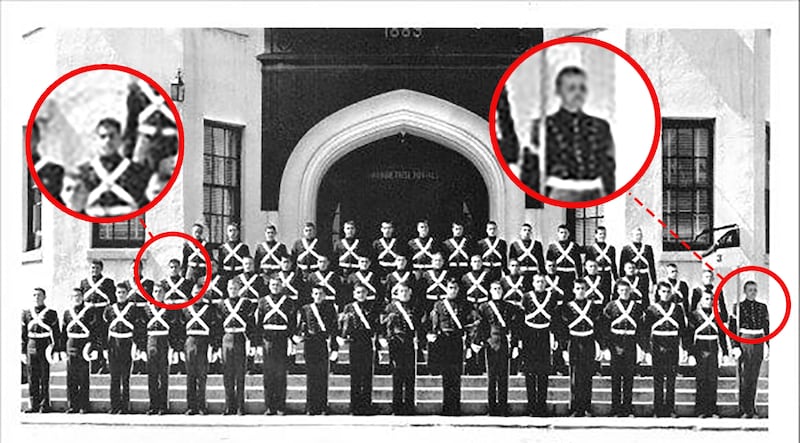
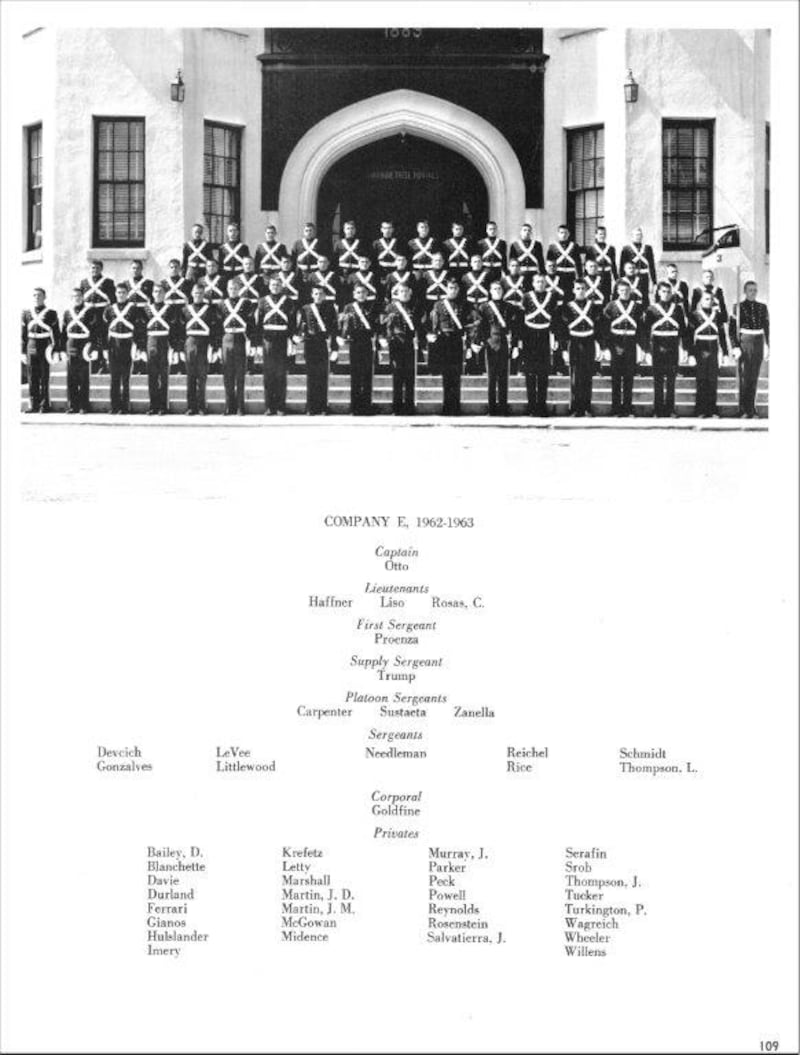
But when the two first met, Trump was a 16-year-old resentful supply sergeant from Queens in his third year at the private military school an hour’s drive north of New York City. Davie was 15, a private from Brooklyn in his first year there. Davie remembers Trump was given to feeling victimized even then, complaining that he should have been a captain.
“He was very upset and frustrated that the school did not recognize that he should have been promoted faster,” Davie, now 79, told the Daily Beast.
Davie says that Trump was also wont to nurse a grievance. Proof of it came on a day when Trump was exhibiting another, now-familiar character failing; he would insist he was the best at nearly everything.
“He was an egomaniac when he was 16,” Davie recalled. “He was a great flag waver for himself. He wanted everyone to recognize he was the GOAT in everything he did out there.”
Trump was in fact one of the school’s best at baseball, but not at soccer. Two fellow cadets from South America had that distinction.
“I remember Trump and I getting in an argument about the fact that he’s the GOAT when it came to soccer,” Davie recalled. “I said, ‘No, in baseball, you could say you’re the GOAT.’”
That was not good enough for Trump. And, in the next breath, he expressed his greatest gripe.
“He said, ‘I should have been a captain this year. I’m not a supply sergeant,’” Davie remembered.
Trump believed that a star should be recognized as such and he saw that affirmed in the election of President John F. Kennedy.
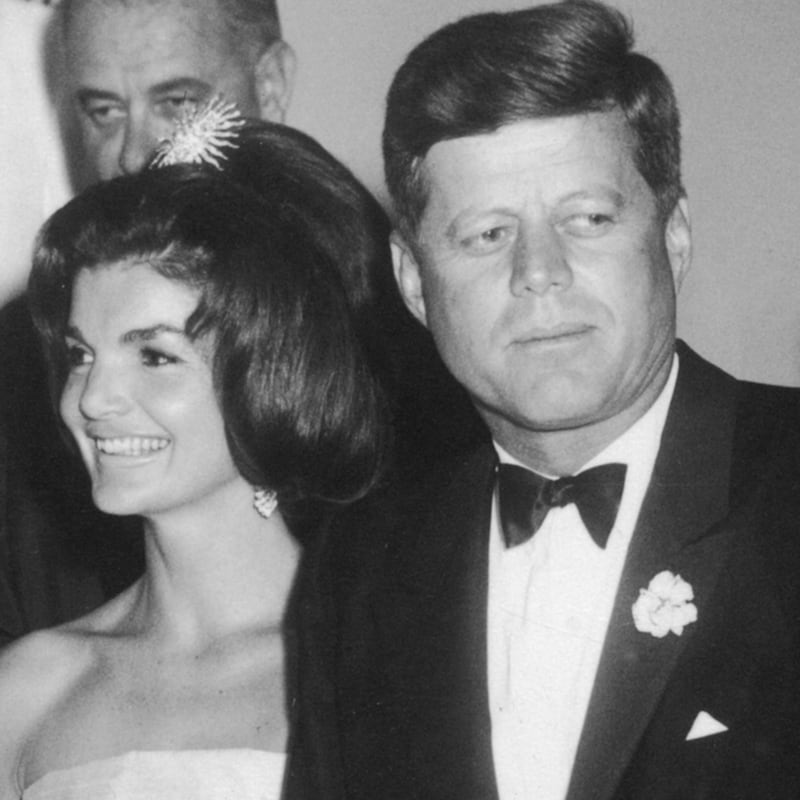
“He was enormously impressed with John Kennedy,” Davie told the Daily Beast. “Kennedy had become a media star, and Trump once said something to the effect of, ‘He doesn’t even have to boast,’ meaning that the media picked up on the fact that he [had] a star quality.”
Davie and Trump’s room in the quarters of E Company also served as a repository for the M1 rifles—minus their firing pins—that the company used in drills and ceremonies. Their quarters were visited by U.S. Army officers, a lieutenant colonel and a lieutenant, who were conducting one of the periodic inspections the academy regularly underwent. A pass meant all the cadets were authorized to wear a small silver star on their right sleeve.
“Trump took that very seriously,” Davie recalled
The future president remained stiffly formal while Davie chatted casually with the lieutenant colonel.
“[The lieutenant colonel] was teasing us about the fact that we had the guns, and I said, ‘Yeah, but only pop guns,’” Davie remembered. “Trump thought that was irreverent. He was furious with me. He said, ‘You were talking to them like they were on the streets in Brooklyn.”
Davie says that was the only serious argument the roommates ever had, and he has wondered whether Trump had anything to do with their separation when school resumed after the Christmas holiday.
“I never knew why,” Davie told the Daily Beast. “What I do know is that they separated us, and I went down to Section 9, which was behind the main barracks, and everybody down there was kind of an oddball. We all got single-bedroom rooms.”
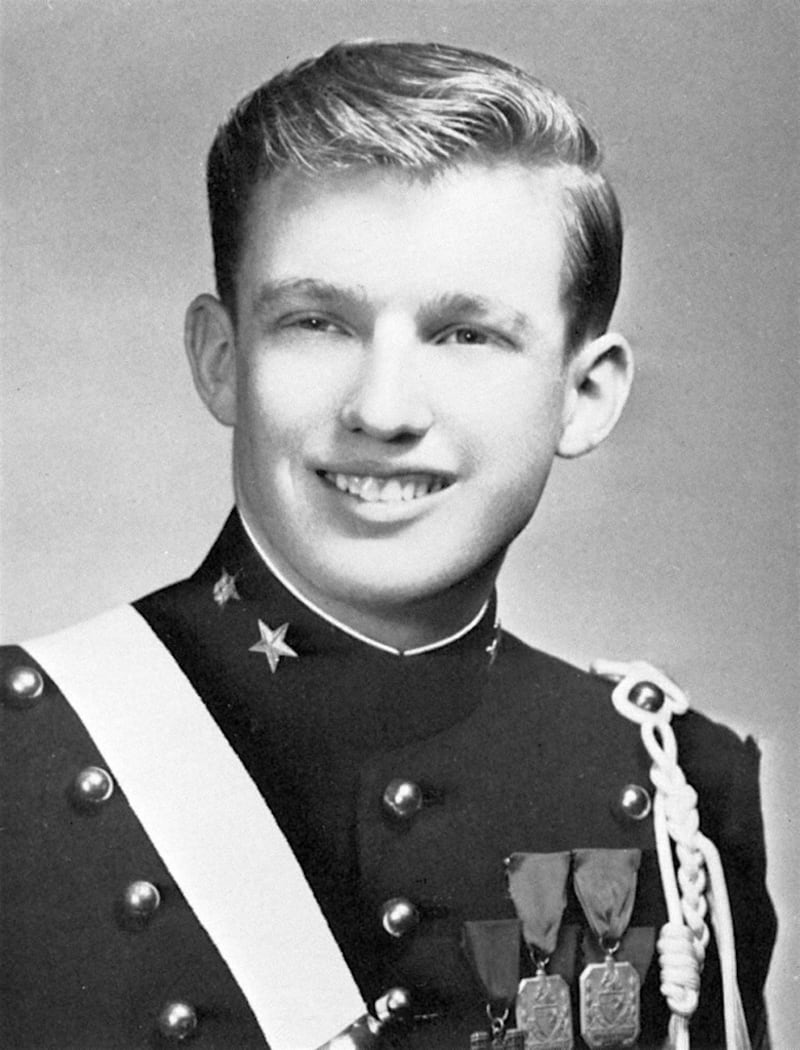
Davie left the academy at the end of the year and finished high school in Manhattan. Trump stayed at the academy and became a captain by the time he graduated in 1964.
He secured five draft deferments, the last a permanent medical deferment courtesy of a Queens podiatrist who rented an office in a building owned by his father. Davie says that Trump acquired a nickname among some of the academy alumni.
“Cadet Bonespurs.”
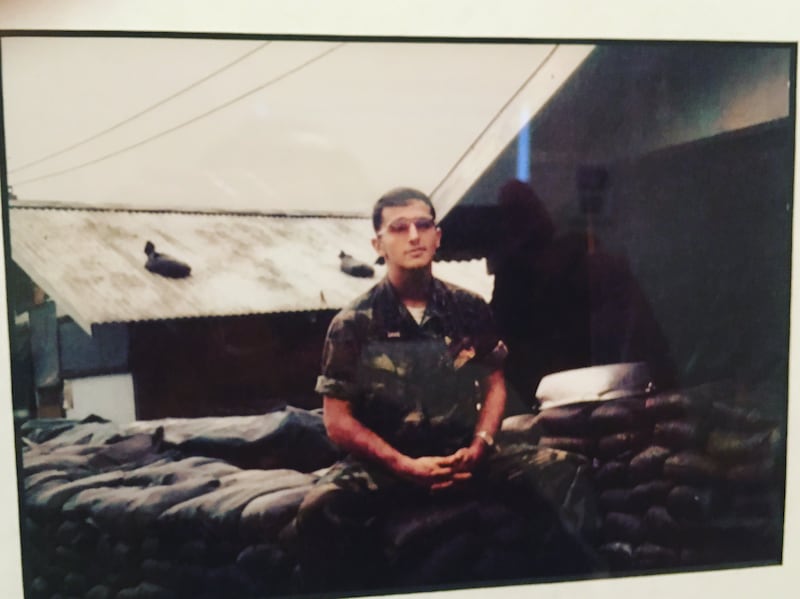
Davie enlisted in the Marine Corps and was in Vietnam for 11 months and nine days. He returned home an actual sergeant and attended St. John’s University.
His father introduced him to Meade Esposito, the cigar-chomping, alternately charming and glowering old school boss of the Democratic machine in Brooklyn.
“I was actually a disciple of Meade Esposito,” Davie told the Daily Beast.
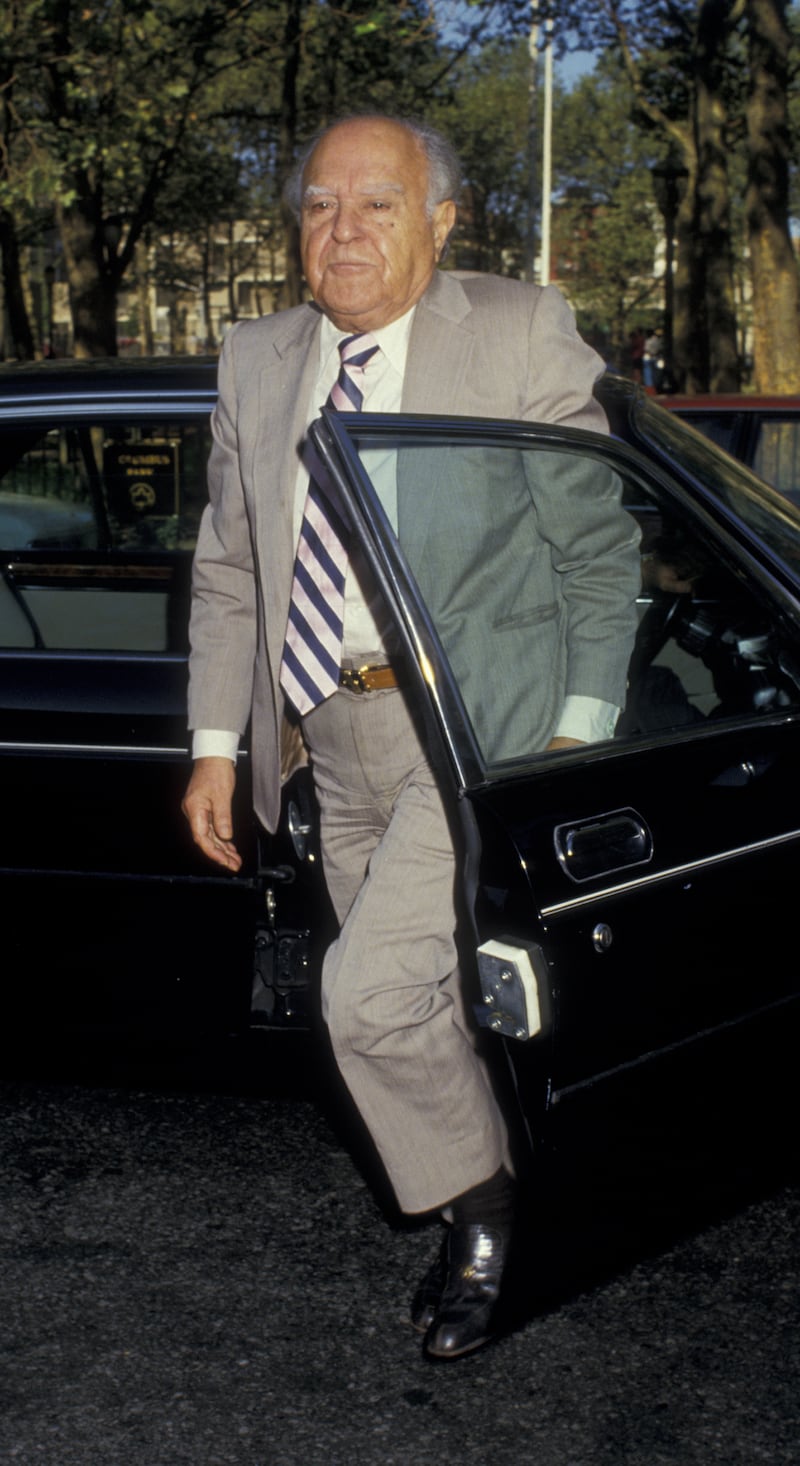
Davie began going every Thursday night to Esposito’s Thomas Jefferson Democratic Club, where he watched a wide range of supplicants approach The Boss.
He said he learned “how you needed to negotiate your way through a relationship with someone who was operating at that level.”
Thanks to a connection with Esposito, Davie got a job at the city Youth Services Agency, writing proposals for government funding and acquiring skills that would prove important later.
Davie’s father was owed money when he died, but rather than pursue it and get entangled in the kind of Brooklyn dispute that only bodes trouble, Davie decided to head west. He settled in San Diego and ended up running a car dealership. He demonstrated a knack for showmanship, doing his own stunts in a series of commercials.
“Jumping from a 10-story building onto an airbag, dangling from a helicopter, being thrown over a parked car, getting set on fire, and my big finale, getting shot for real with a .357 magnum while wearing a bulletproof vest,’ he reported in a subsequent autobiography, Is This Legal?
The book recounts how Davie became friends with film director/screenwriter John Milius and Rorion Gracie, a Brazilian Jiu-Jitsu grand master credited with introducing the sport to the United States. Davie had already learned something about mixed martial arts as a teen Golden Gloves boxer in an encounter with a champion wrestler that swiftly ended with him flat on his back. His thinking also reached back much further in time.
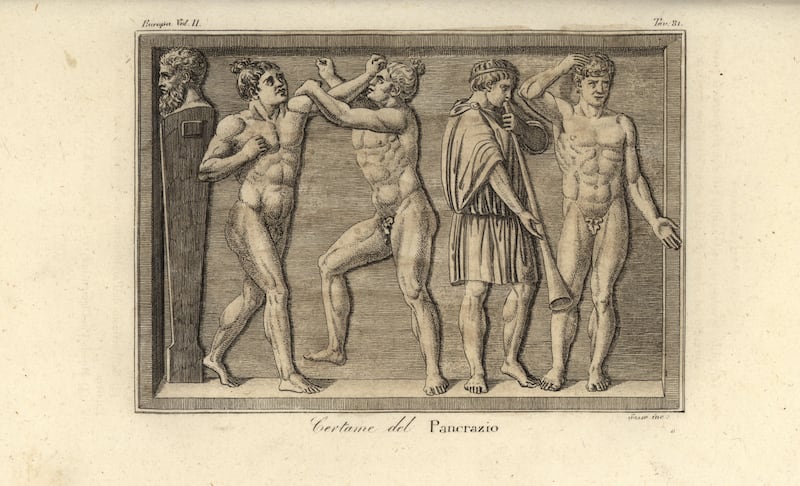
“One of my main inspirations was Pankration from the Ancient Olympiad, a sport described by scholars as a combination of striking and grappling in which anything outside of eye gouging and biting was allowed,” he wrote in the book.
Davie and his partners began arranging matches that were similarly rule-free, often with bloody results. That was in contrast with WrestleMania, which had been producing scripted matches with predetermined outcomes. Such performances were called “a work.” The Davie contestants were chosen for crowd appeal as much as for athletic prowess but the matches were unscripted, with uncertain outcomes. They were known as “a shoot,” which were rule-free.
Davie recalled, “I had to go and tell people, ‘This is a shoot. This is not a work. They’re gonna throw elbows. You fall on the ground, they’re gonna kick you.’ This was a big jump for some guys. This is actual physical combat.”
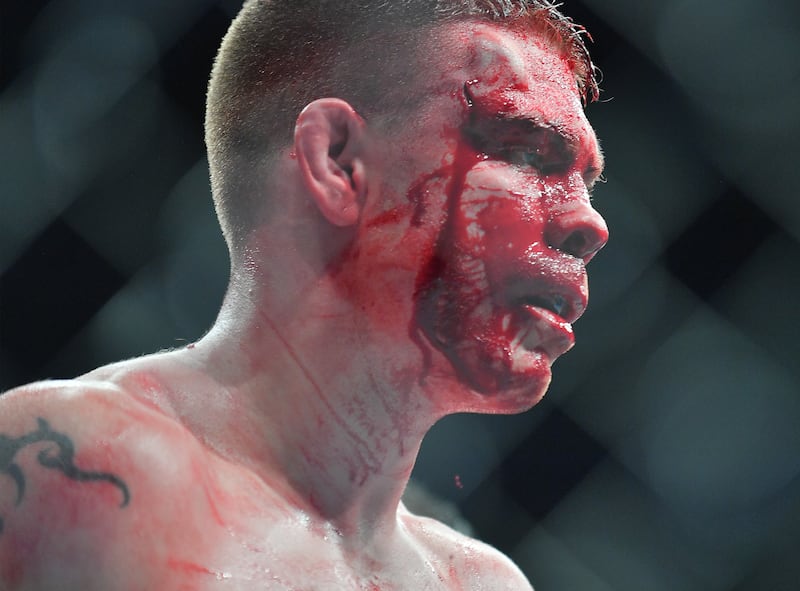
The need for some rules became apparent when half the contestants in a match were hospitalized.
In the meantime, Davie drew upon what he learned on the job that Esposito had arranged.
“I wrote the 65-page business proposal for the UFC based on what I had learned at the Youth Services Agency,” Davie told the Daily Beast.
The introduction of the octagon added to the drama, further setting UFC off from the usual rings in boxing and wrestling. And there was another advantage in a cage that was flush with the floor and rose six feet high.
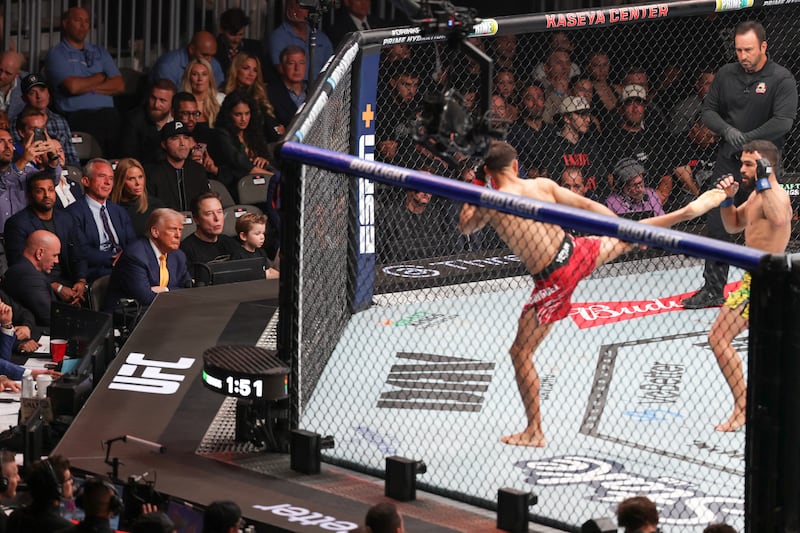
“In Brazil they discovered that if the fight goes to the ground, a guy would slide out into the ropes, and that would allow him to stop the event, and it would give him more time,” Davie told the Daily Beast. ”There’s no escape from the octagon, right?”
In 1995, Davie sold UFC to Semaphore for $1 million. Semaphore sold it to Dana White and brothers Frank and Lorenzo Fertitta for $2 million in 2001. UFC’s biggest fans now include Trump, who has become close friends with White.
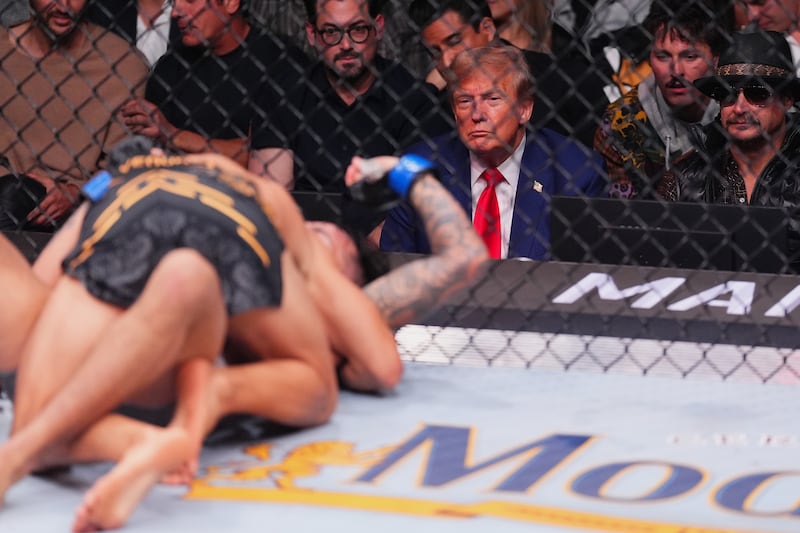
In August, White signed a seven-year, $7.7 billion deal with Paramount+ for UFC’s exclusive U.S. media rights. Paramount+ is a video streaming service owned by Paramount-Skydance, which appears to be finalizing an acquisition of Warner Brothers in a $110 billion deal which has Trump’s helpful blessing.
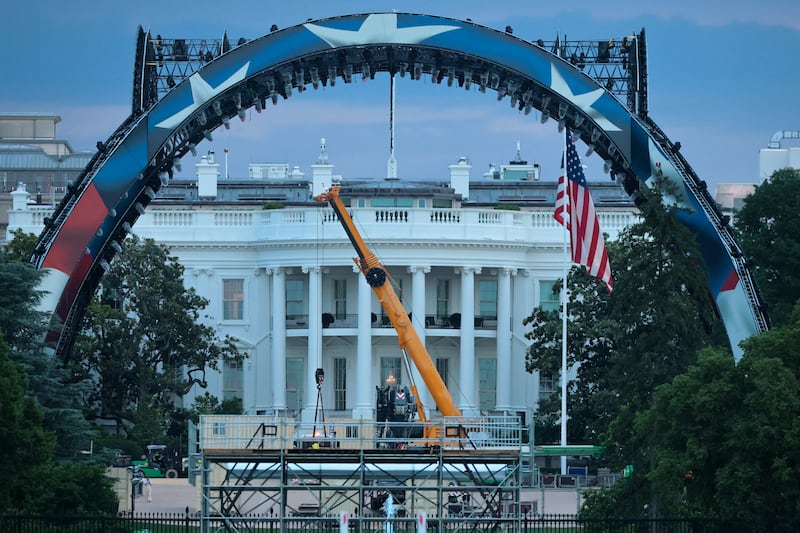
On May 26, UFC began erecting a 600-ton structure it calls “The Claw” to arch over an octagon for the UFC championship on the South Lawn, which will be streamed on Paramount+ and viewable only to subscribers.
The Belgian-made structure rises 22 feet higher than the White House. Trump has suggested it may be left there permanently, like the Eiffel Tower, which he told the press “was supposed to be taken down immediately after the World’s Fair, and then they said. ‘You know, we sort of like it.’”
As a Republican unenamored by Democrat alternatives, Davie voted three times for Trump. But Davie has not spoken to him since the days when the future president of the United States and the future founder of UFC roomed together.
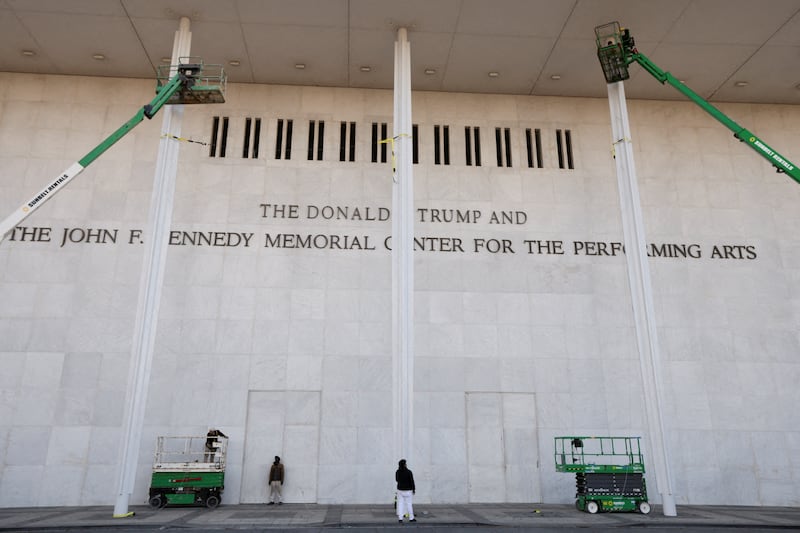
Now that the past has become an unlikely present where former Supply Sergeant Trump has gone from admiring JFK to adding his own name to the Kennedy Center and fighting to keep it there after a judge ruled it illegal, Davie has been following the developments of the ultimate octagon on the South Lawn from afar.
“ I think that Trump was always looking for something to glorify what he’s doing,” Davie said. “Now they’re talking about maybe making it some sort of a permanent Lincoln Memorial type of structure, which I think is crazy.”