A tobacco giant pumped $5 million into Donald Trump’s biggest super PAC just days before his administration cracked open the U.S. market to flavored vapes.
The cash from Reynolds American, which makes Camel cigarettes and Vuse vapes, was funneled through a subsidiary on April 30 and surfaced in a campaign finance report filed Wednesday night, The New York Times reported. The donation pushed the subsidiary’s total given to MAGA Inc.—the PAC backing Trump, 79—up to $8 million.

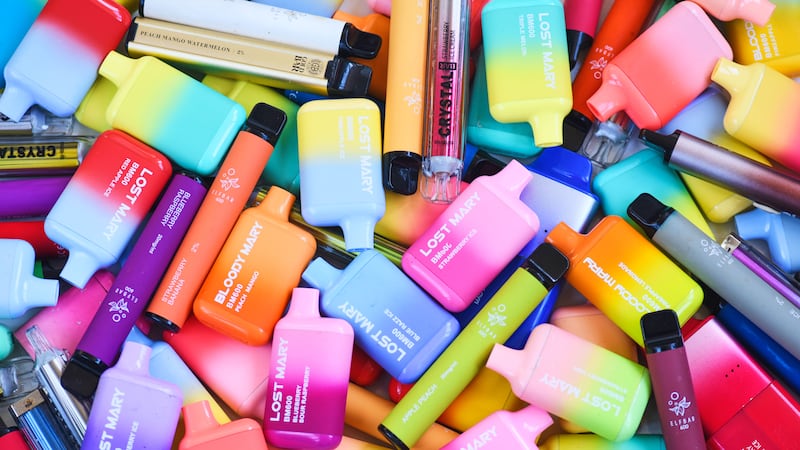
The decision came within about a week. The Food and Drug Administration issued fresh guidance clearing the big tobacco firms to start selling flavored vapes and seize a share of the $6 billion market now dominated by illegal Chinese imports. The agency skipped its usual rule-making procedure to push it through.
The donation was not a one-off. Reynolds has bet heavily on the president, with its subsidiary earlier handing $10 million to a separate pro-Trump super PAC. The firm also chipped in to the fund building Trump’s new White House ballroom, and one of its executives bagged a seat at an October donor dinner for anyone giving at least $2.5 million.
Nor is Reynolds the only tobacco money circling Trump’s vape U-turn. The Daily Beast exclusively revealed this month that Swisher International—the cigar firm once represented by White House chief of staff Susie Wiles, 68—had lobbied the White House’s Executive Office in every one of the past four quarters, partly through a firm that employs Wiles’ daughter Katie.
The president reportedly played a direct role in the FDA decision. Days after the Reynolds cash landed, a senior executive and two of the firm’s lobbyists lunched with Trump at his Jupiter, Florida, golf club, the Times reported, joined by two bosses from rival firm Altria.
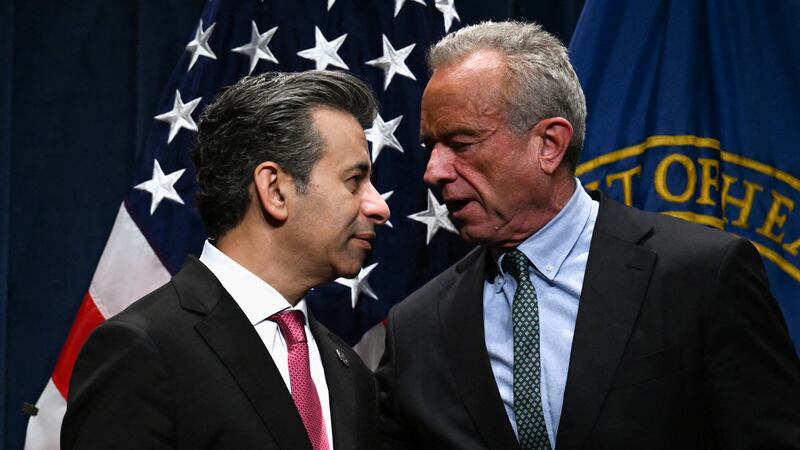
As the tobacco men complained that the FDA was throttling their business, the president broke off to phone Commissioner Marty Makary. When Makary didn’t answer, Trump called his boss—Health and Human Services Secretary Robert F. Kennedy Jr., 72—and Centers for Medicare and Medicaid Services chief Mehmet Oz, 65, to vent about the agency’s grip on e-cigarettes, three people with knowledge of the lunch told the paper. Makary later quit rather than defend the policy.
Nothing definitively ties the FDA’s decision to the donation, the lunch, or any single lobbying push, the Times notes, and the White House denies any link.
“The only guiding factor behind the Trump administration’s health policymaking is gold standard science,” White House spokesman Kush Desai told the Daily Beast, saying its stance on vapes and pouches rests on evidence that the products help smokers quit.
MAGA Inc. spokesman Alex Pfeiffer told the Times that the PAC “is pleased to accept legal contributions from those who agree with President Trump’s America First agenda and his goal to make America great again.”
The PAC pulled in $9.6 million in April, with $1 million each from a unit of private prison operator Geo Group and Republican mega-donor Marlene Ricketts.

Trump’s new embrace of vaping is a sharp reversal. In his first term he lifted the tobacco-buying age from 18 to 21 and brought in the first curbs on e-cigarette flavors, outlawing most fruit and mint options, which are thought to have fueled a surge in youth tobacco addiction.
The president said in 2019, “We can’t allow people to get sick and allow our youth to be so affected.”
But by his 2024 campaign he had switched sides, posting on Truth Social: “I’ll save Vaping again!” Within days of his return to the White House, his team scrapped a proposed menthol cigarette ban.
Reynolds did not respond to the Times’ request for comment.
The Daily Beast has contacted Reynolds American, Altria, the Department of Health and Human Services, and the FDA for comment.