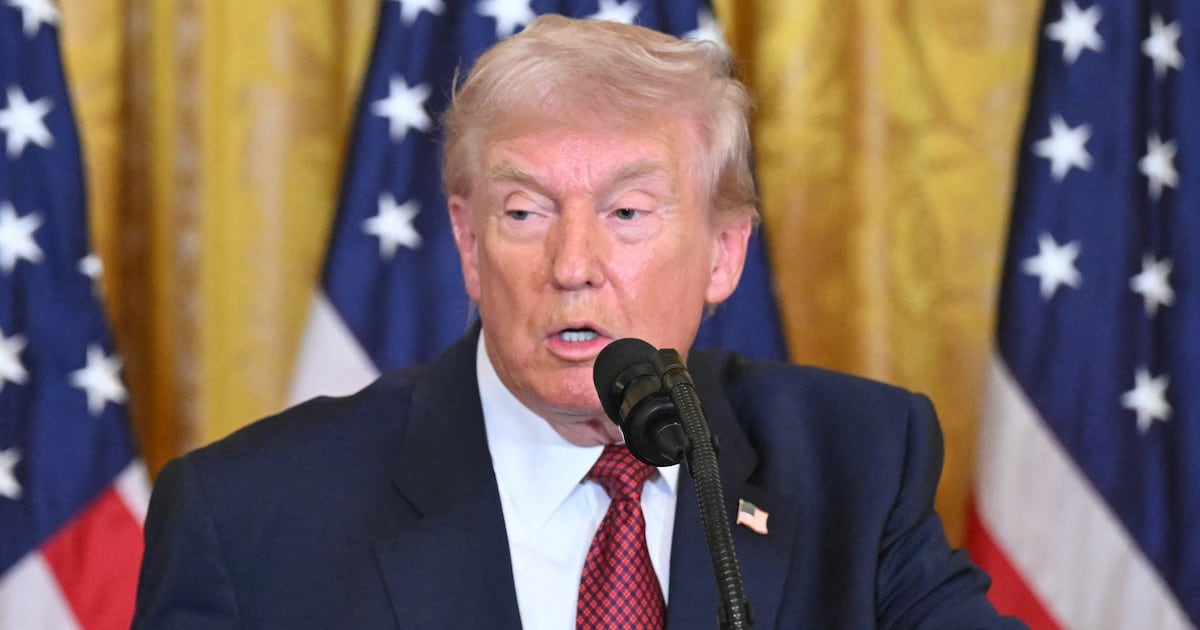
Donald Trump is quietly gearing up to roll back some of the tariffs he promised would make the country “rich as hell” as his approval rating plummets amid an affordability crisis.
The president slapped tariffs of up to 50 percent on steel and aluminum imports last summer, boasting that the move would provide a “big jolt” to U.S. industry.
But in a humiliating retreat, and keeping true to the nickname he has earned for his chaotic approach to trade policy—“TACO,” short for “Trump Always Chickens Out”—Trump now plans to scale back some of these tariffs as cost-of-living pressures drag down his approval ratings, the Financial Times reported on Friday, citing three people familiar with the matter.
The Trump administration is preparing to “exempt some items, halt the expansion of the lists and instead launch more targeted national security probes into specific goods,” the report said.
Sources said trade officials believed Trump’s tariffs were hurting the public by driving up the price of everyday staples, from pie tins to the cans that hold their food and drinks.
A White House official told the Daily Beast that Trump “will never compromise on reinvigorating the domestic manufacturing that is critical to our national and economic security, especially steel and aluminum production.”
“The Trump administration is accordingly implementing a nimble and nuanced tariffs agenda to most effectively reshore steel, aluminum, and other key manufacturing back to the United States – American steel production overtaking Japan’s for the first time since 1999 is proof of this agenda’s growing success,” the official said.
“Unless officially announced by the Administration, however, any reporting about changes to our current tariff regime is baseless speculation.”
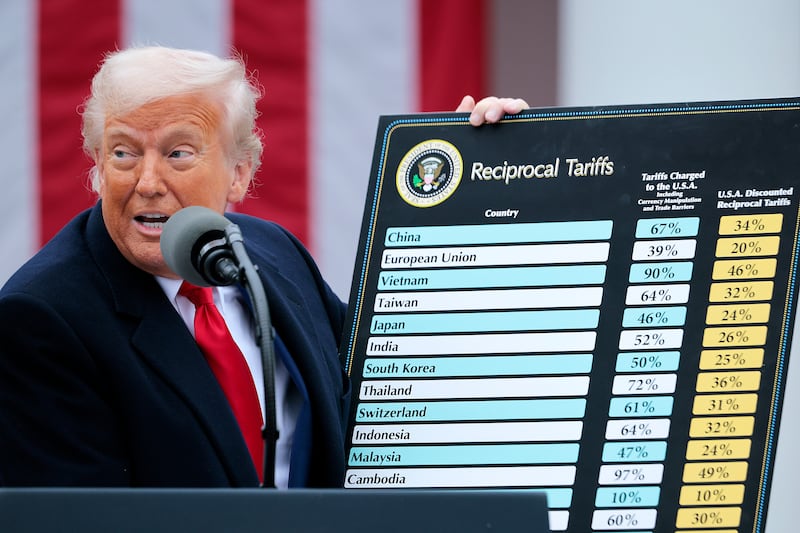
Trump, in his second term in the White House, has used his levies as negotiating tools, announcing steep and sweeping tariffs on dozens of countries only to later reverse course and delay or revise them.
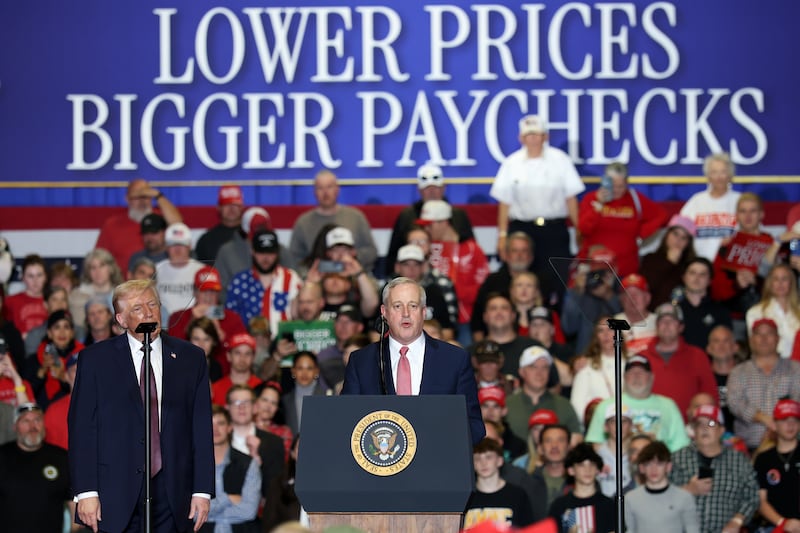
“I always say ‘tariffs’ is the most beautiful word to me in the dictionary,” he told a rally just after his inauguration last year. “Tariffs are going to make us rich as hell.”
A year after predicting a tariffs windfall, the president’s climbdown seems to come less in response to the affordability crisis affecting Americans than in response to how it might derail Republican hopes in the November midterm elections. Lowering grocery prices was a central promise of Trump’s 2024 campaign, and the issue remains key as rising household costs shape voter sentiment.
The president has spent months attempting to convince voters that his economic agenda is delivering results, even as many Americans struggle with high prices, and as household debt has reached an all-time high. He has repeatedly dismissed affordability concerns as a “hoax,” frustrating many of his own voters.

Trump last week boasted that he’s “very proud” of the economy and claimed to have “fixed” the affordability crisis. However, a survey released this month by the Pew Research Center found that 66 percent of Americans were “very concerned” about the price of food and consumer goods. More than half of respondents, or 52 percent, said Trump’s economic policies had left the country worse off.
Meanwhile, a trio of polls published this week found that Americans think Joe Biden did a better job in the White House than Trump has so far.