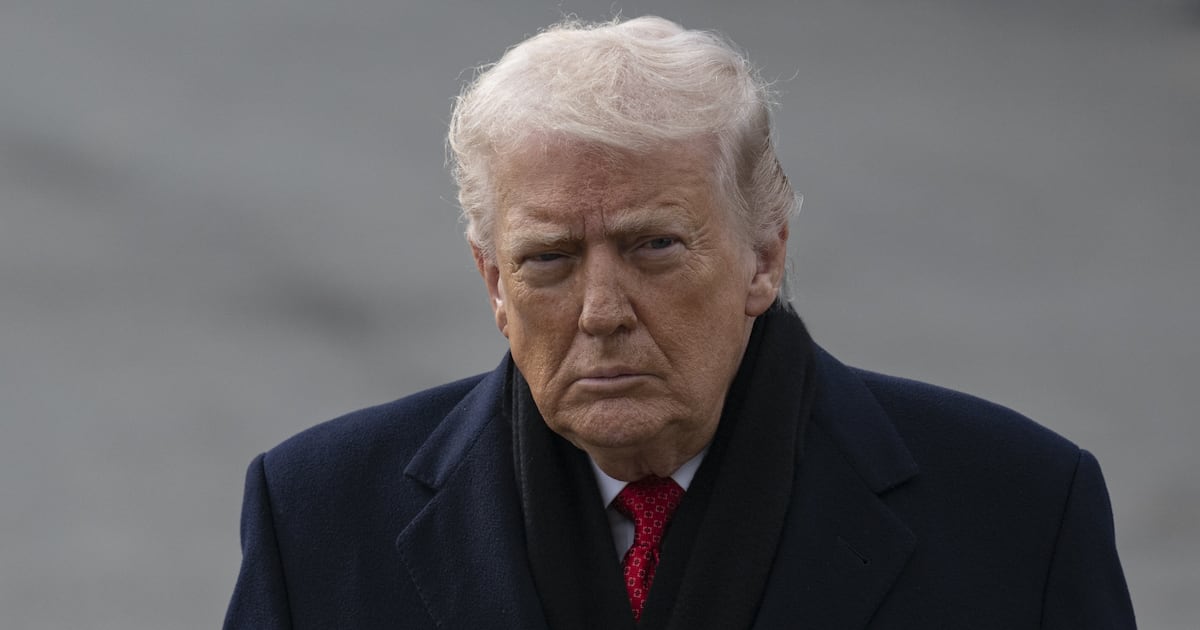
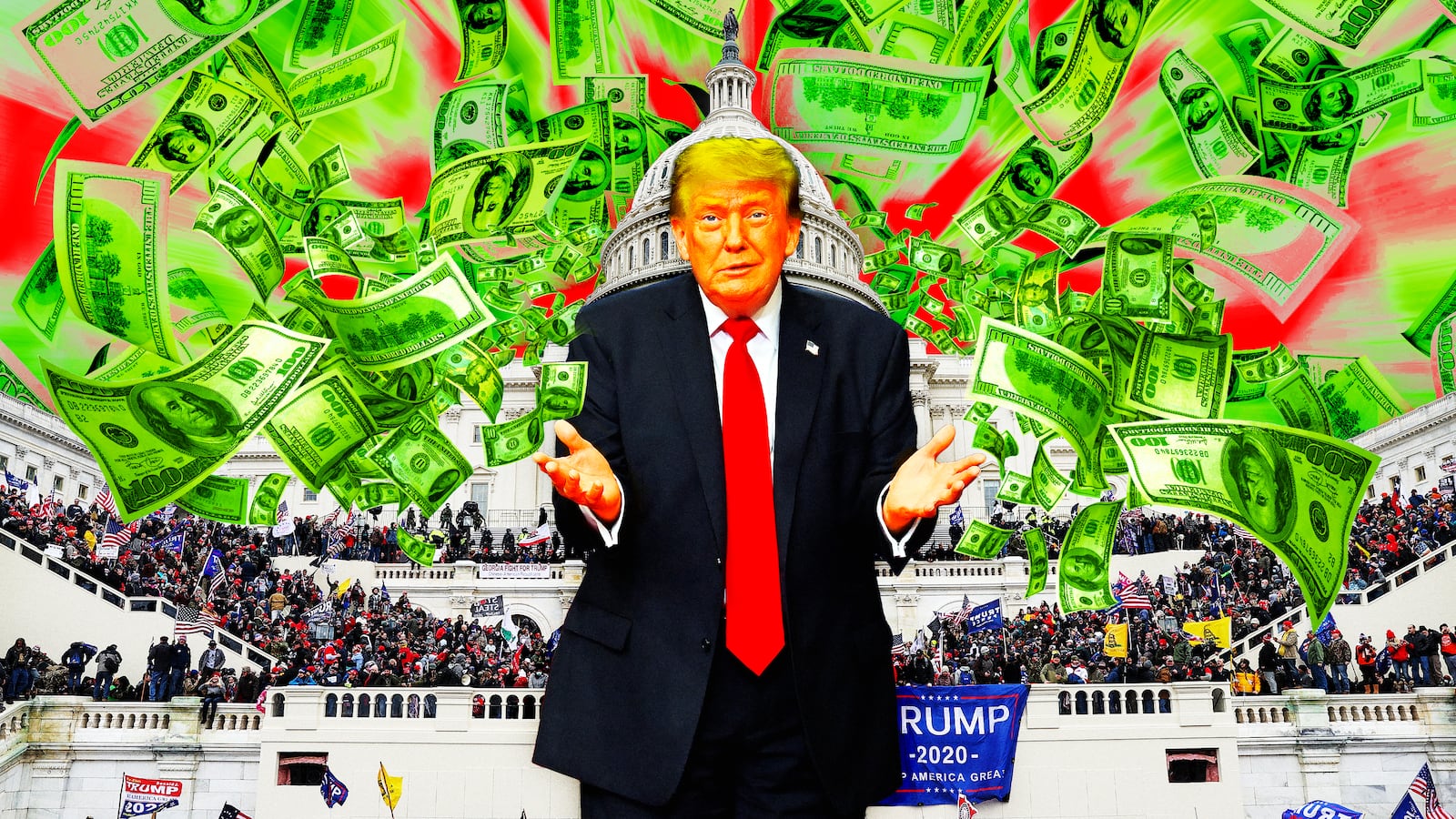
President Donald Trump’s $1.776 billion “weaponization” slush fund has presented a choice between expiation and damnation to a convicted felon who was pronounced by a judge to be one of the worst of the Jan. 6 insurrection.
“Your actions are some of the most egregious crimes that were committed on that dark day,” U.S. District Judge Trevor McFadden told Patrick McCaughey on April 14, 2023, sentencing him to 90 months for assaulting a police officer at the Capitol.

McCaughey, then 25, had stood in the District of Columbia courtroom in an orange prison uniform and offered quiet words of seeming contrition.
“I’m sorry that I conducted myself less like a citizen and more like an animal that day,” McCaughey told the court. “My actions on January 6th, 2021, will remain the greatest embarrassment of my life.”
He apologized to all the cops who had defended the Capitol and ensured the certification of the 2020 election could proceed.

“You were there that day to protect the community,” McCaughey said.
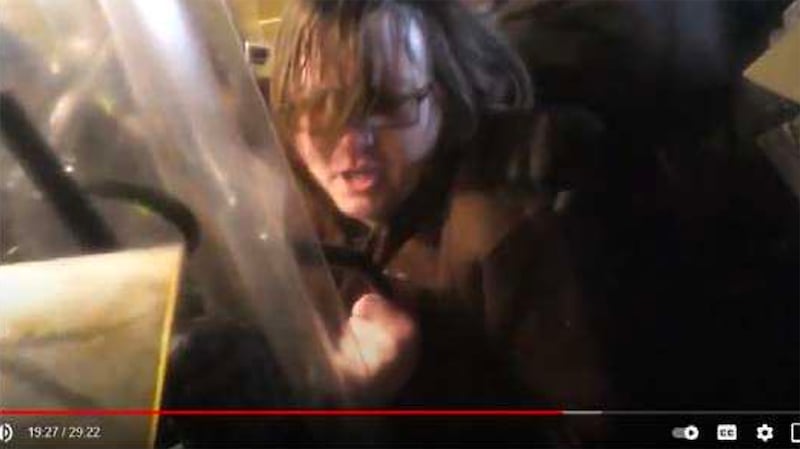
Among those in the courtroom was Officer Daniel Hodges, shield 4518 of Washington’s Metropolitan Police Department. The evidence that led to a conviction included Hodges’ body camera footage of McCaughey crushing him with a stolen police shield into a metal door frame. There was accompanying audio of Hodges screaming in pain.

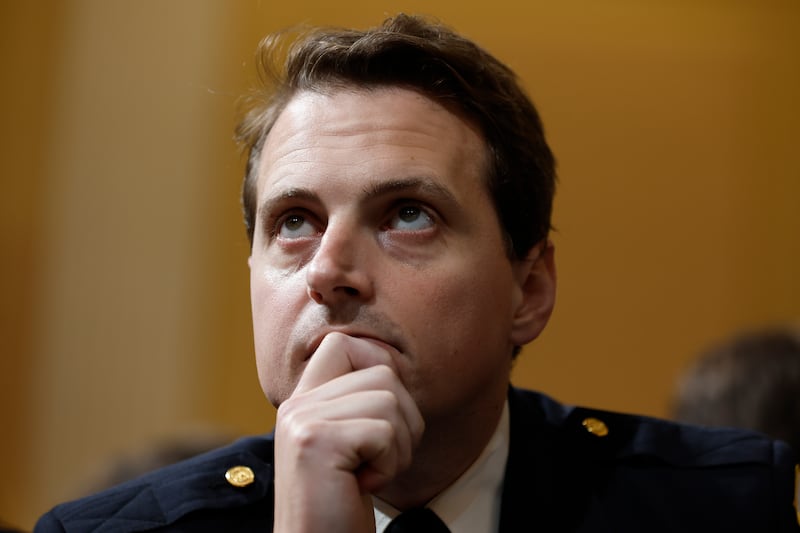
Hodges, now 37, had been allowed to address the court earlier in the proceeding, and he had reported suffering persistent psychological aftershocks. He was not immediately convinced that McCaughey’s remorse was genuine.
“It’s hard to form a non-biased opinion,” he later told the Daily Beast, emphasizing that he speaks to the press only in a personal, not official capacity. “So I try to keep this in mind. He very well might have been remorseful. I don’t know. But I know that his actions that day were severe and violent.”
But if the sentencing seemed to be a step toward putting Hodges’ trauma behind him, papers filed by McCaughey’s lawyers included a caution.
“There remain many grifters out there who remain free to continue propagating the ‘great lie’ that Trump won the election, Donald Trump being among the most prominent,” the papers said. “Mr. McCaughey is not one of these individuals; he knows he was wrong.”
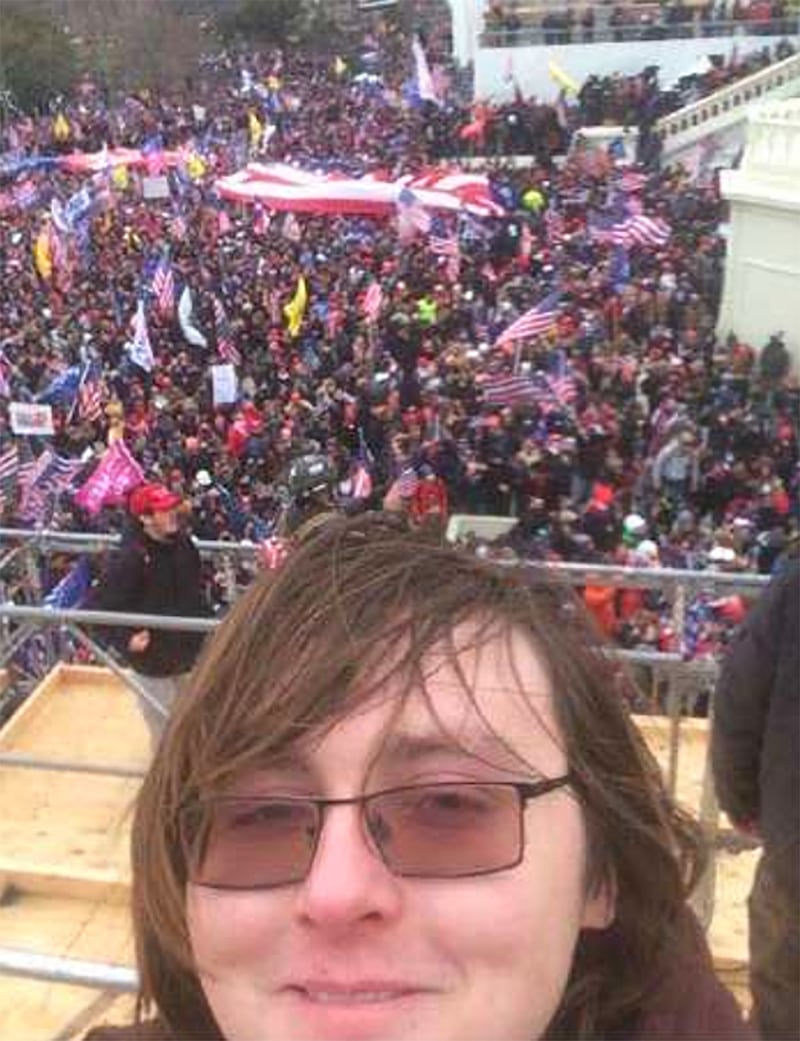
Trump marshaled the great lie and its attendant falsehoods into a second term. And on the very first day, he pardoned McCaughey along with more than 1,500 other people charged in connection with the Jan. 6 attack. McCaughey had already resumed his life when Trump parlayed a multibillion-dollar lawsuit against the IRS into a $1.776 billion fund, the recipients to be determined by a commission he will control. The Trump administration did not rule out the possibility that recipients could be people who had been convicted of assaulting police officers.
When the Daily Beast asked McCaughey on Wednesday whether he intended to apply, he said he was busy at the moment, but would have “an availability” at 4 p.m. on Thursday.
“I’m working three jobs,” he said.
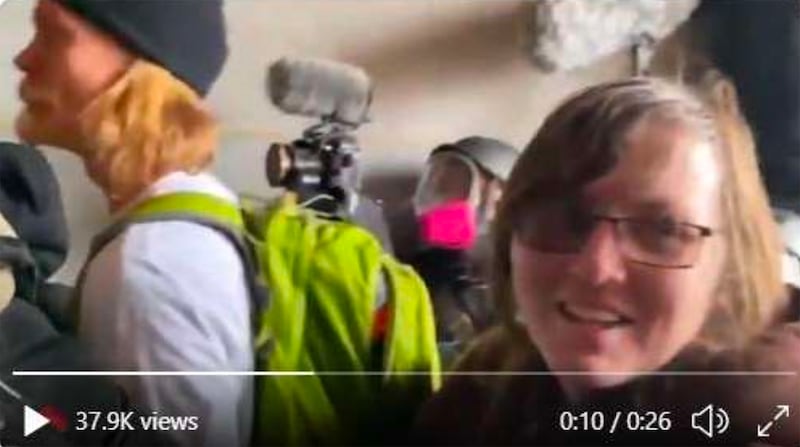
That suggested that money was not something he could just shrug off. But seeking recompense as a supposed victim of weaponization would belie his professed regret regarding the attack and his apology to Hodges and the other cops.
When contacted at the appointed hour on Thursday, McCaughey said, “I really don’t have any comment to anybody associated with The Daily Beast.”
In the meantime, Hodges joined former Capitol Police Officer Harry Dunn in filing a lawsuit to bar the Trump administration from creating “a slush fund to finance the insurrectionists and paramilitary groups that commit violence in his name.”
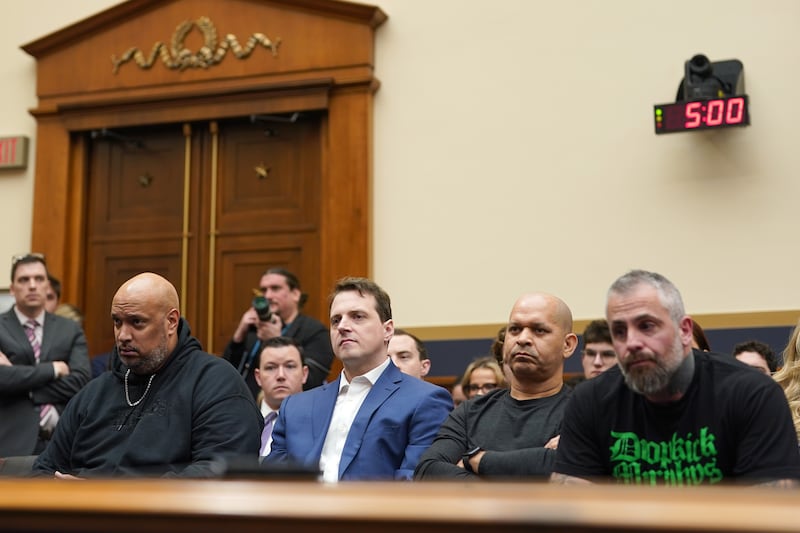
Hodge and Dunn’s suit is not seeking recompense. Its only goal is to head off an outrage. Hodges says that he was just doing the job he and his fellow officers were paid to do on Jan. 6. And he takes pride in being able to say they did a good job.
Even before the slush fund, Hodges had concluded that the powers that be do not actually back the blue.
“They don’t really have an ethos,” he told the Daily Beast in August. “They don’t really have a consistent ethical framework. They don’t back the blue. They do what is convenient for them at the time.”
He went on, “It seems to me you either support the police in their legitimate efforts or you don’t. What I found is that nobody actually supports the police. It’s not Republicans, it’s not Democrats, it’s not any particular race or religion.”
He continued, “There’s only one group that almost always supports the police and it’s a dynamic, always shifting group. It’s people who are in crisis. People who are desperate... they support the police most of the time.”
He is scheduled to be out in the streets of the nation’s capital on Saturday. He generally works midnights, often in a one-officer car. His bi-weekly paycheck for routinely placing himself in harm’s way for the sake of others will continue to reflect withdrawals marked for the U.S. Treasury. And disbursements from there may soon come to include payments to those who left 150 cops injured on Jan. 6.
“Bizarre is one word,” Hodges said.
He had another word for the whole situation, which has come to include death threats he received after filing the lawsuit.
“Horrendous.”
He finds that however bizarre and horrendous things may have become, his work itself is much the same as it has always been in his decade on the job.
“I mean, you know, it never changes, really,” he said. ”There’s always going to be people in trouble, in need, who need help.”