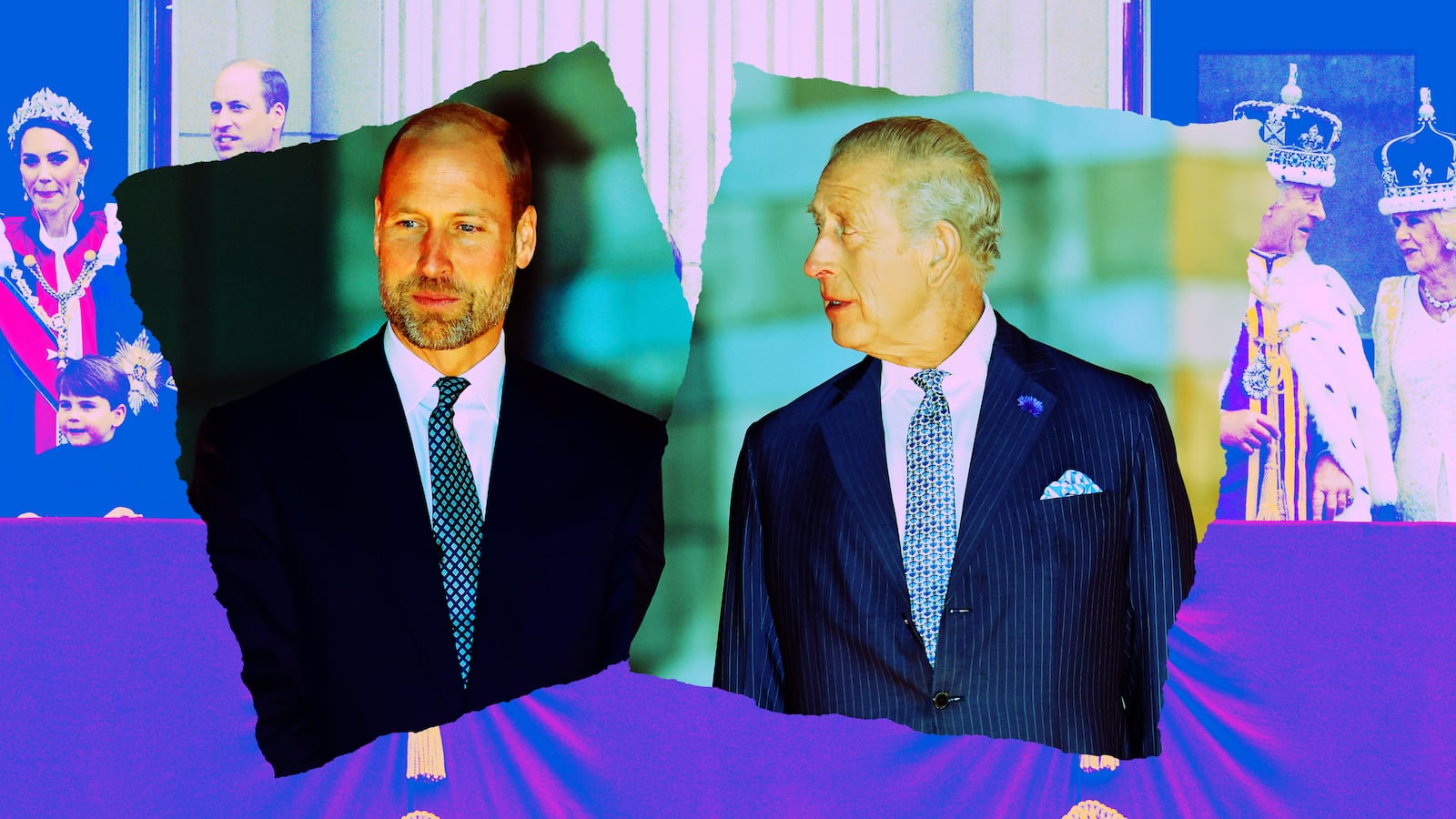
On Easter Sunday, we will witness what appears to be a routine royal Easter church appearance, but what unfolds outside St George’s Chapel in Windsor represents a small front in a much larger war between King Charles and his son and heir, Prince William.
We have been told in advance—unusually—that Prince William and Catherine, Princess of Wales, will attend, alongside King Charles III and Queen Camilla. Princess Beatrice and Princess Eugenie will be conspicuous by their absence.
The Royalist’s sources say that William has made it clear that he will not attend any gatherings at which any members of the York family are present.
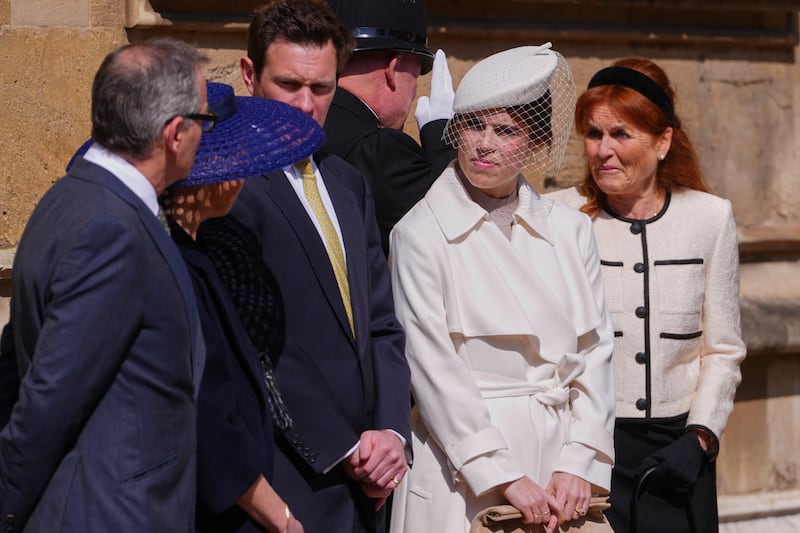
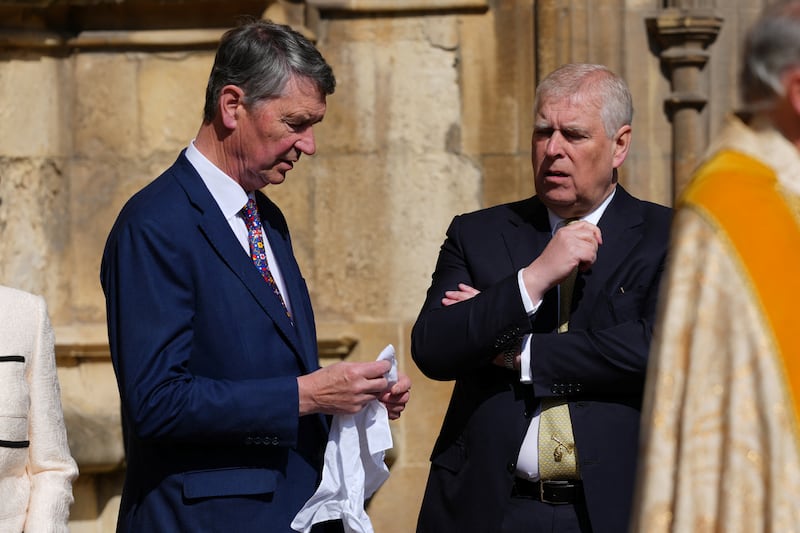
The official line from the palace is that their absence is their choice, agreed with the king. That phrasing should ring alarm bells. It echoes the choreography around Prince Andrew stepping back—framed as voluntary and agreed with the king, before becoming something rather more final.
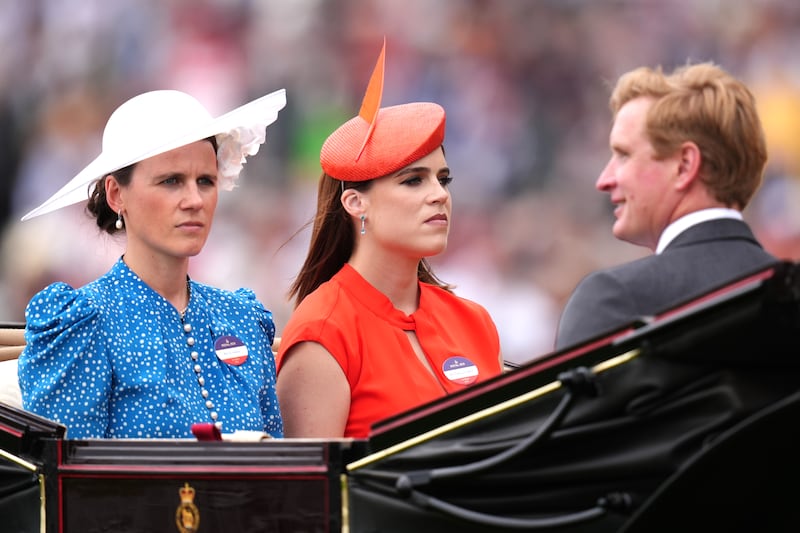
But at the same time, we had a briefing this week that Charles will invite Beatrice and Eugenie to attend Royal Ascot alongside himself and Camilla. This contradicts stories thought to have been planted by William’s camp earlier this year, which said they wouldn’t be going.

Ascot is not a mere social event; it is one of the monarchy’s most visible set-pieces, a highly choreographed display of royal unity, hierarchy, and legitimacy. To include the York princesses there would be a clear statement that Charles still sees them as within the public fold.
This is the surfacing of the conflict between two competing courts. On one side, Charles: conciliatory, familial, keen to preserve a sense of unity above all. On the other, William: harder-edged, focused on long-term survival and with an astute understanding of the public mood.
Epstein reactions strain logic
After Andrew’s removal from public life following the Jeffrey Epstein scandal, guidance from King Charles’ office was explicit: Beatrice and Eugenie’s roles were unaffected. That always strained logic in a hereditary system where status flows from lineage, and became harder to maintain as the frequency with which their names cropped up in the files became apparent.

William appeared to grasp the public mood more clearly than his father. I have reported on his deep frustration when Beatrice resumed public-facing roles shortly after Andrew’s fall, with the king’s blessing.
But Charles has always leaned toward reintegration. In his arrogance, he invited the Yorks to Sandringham at Christmas in 2022 and 2023, when anyone could see it was political madness, enabling a gradual softening of Andrew’s exclusion that went horribly wrong with the release of the Epstein files.
Now we have one arm of the royal machine signaling inclusion (Ascot) while another signals exclusion (Easter). The contradiction is damaging as it shows a lack of discipline or control by Charles and an internal contest playing out through the media.
Public sentiment is not ambiguous. Polling consistently shows limited appetite for the Yorks’ return to prominence. The association with Epstein remains toxic, regardless of nuance.

King Charles’ visit to the U.S. is going to be, well, interesting.
Much like The Royalist, the British monarchy likes to stay out of politics, but it’s hard to see how Charles and Camilla can maintain the stance that their first thoughts are with the victims of Epstein, and still say nothing about one of the biggest political scandals in a generation when on U.S. soil.
The Democratic congressman Ro Khanna, who introduced the Epstein Files Transparency Act last year, forcing the Department of Justice to release all records relating to Epstein, wrote an open letter to the king last week, calling on the monarch to meet survivors of Epstein. The king’s office quickly declined the request, saying he wouldn’t want to compromise the ongoing police investigation into his brother.
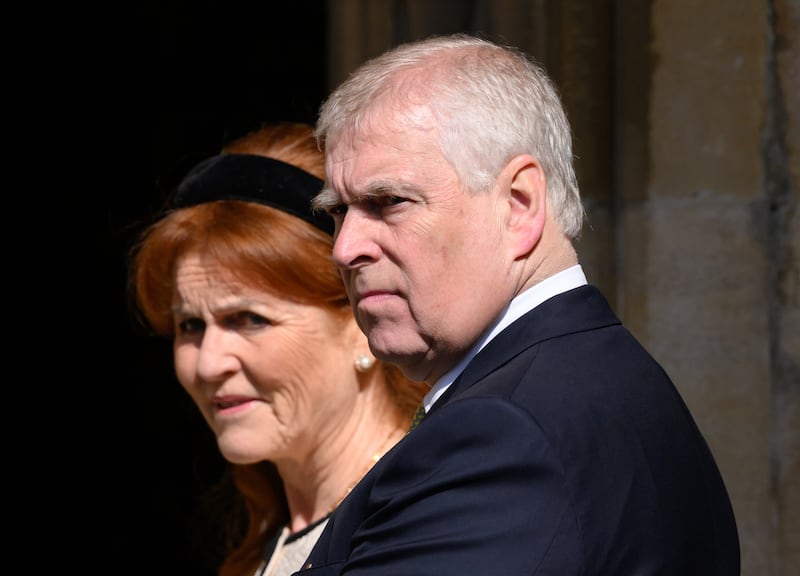
It’s a thin excuse, and Khanna, in a new interview with the London Sunday Times, makes that clear, saying it would be easy for the king to acknowledge the harm done by Epstein without affecting the painfully slow official investigations.
Khanna tells the Sunday Times: “This is an opportunity for the King to say that the modern monarchy is going to be a force for public good… My hope is that the King will look at this from the perspective of his historical legacy.”
Khanna also makes a very interesting point when he says: “He’s either going to come to America and half the questions are going to be about Epstein… or he could come here and take a role as a global statesperson by meeting with these survivors privately.”
On ex-Prince Andrew, Khanna says: “He does not have to get into any of the legal matters concerning his brother. He’s there as one of the respected world leaders saying that these women were abused and that justice was denied and he is calling for justice.”
If the king can’t meet victims, Khanna suggests he could use a historic address to Congress to acknowledge the importance of transparency and support for survivors.
Either way, it’s a nightmare.
Want more royal gossip, scoops and scandal? Follow all Tom Sykes’ reporting at The Royalist on Substack or listen to The Royalist podcast on YouTube.