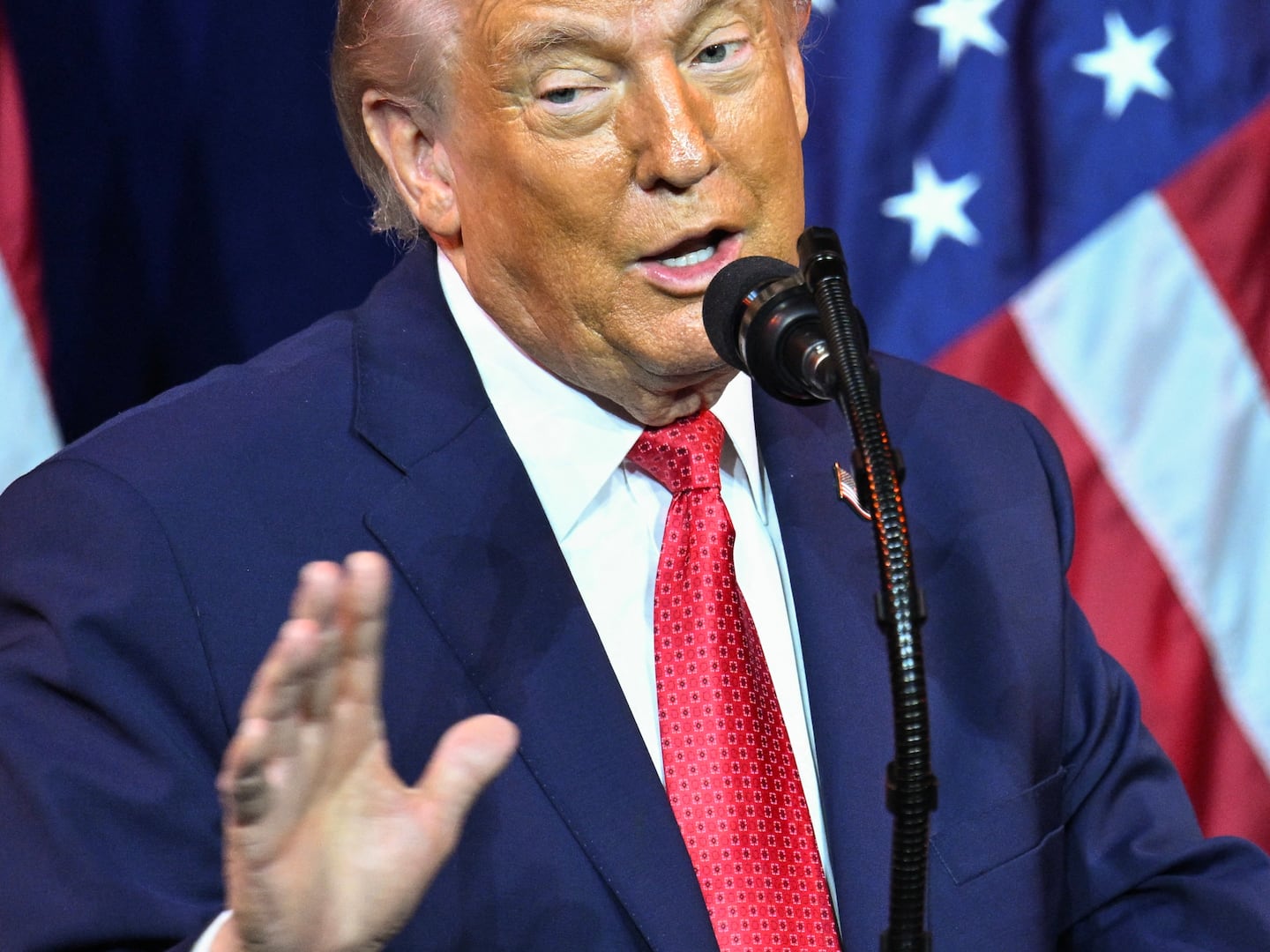

An unlikely name is being floated to take charge of U.S. moves in Venezuela after the Trump administration snatched the country’s leader and brought him to New York to face drug charges.
Hours after Saturday’s surprise attack, President Donald Trump told reporters the U.S. will seize Venezuela’s oil reserves and “run” the country for the foreseeable future, though he’s been vague on what exactly that means.
With Trump mostly relying on a small group of business insiders to handle foreign affairs after he gutted foreign policy infrastructure, the White House is considering giving Deputy Chief of Staff Stephen Miller a key role overseeing post-Maduro operations in Venezuela, The Washington Post reported.
It’s not clear how any U.S. official can “run” a foreign country of 30 million people.

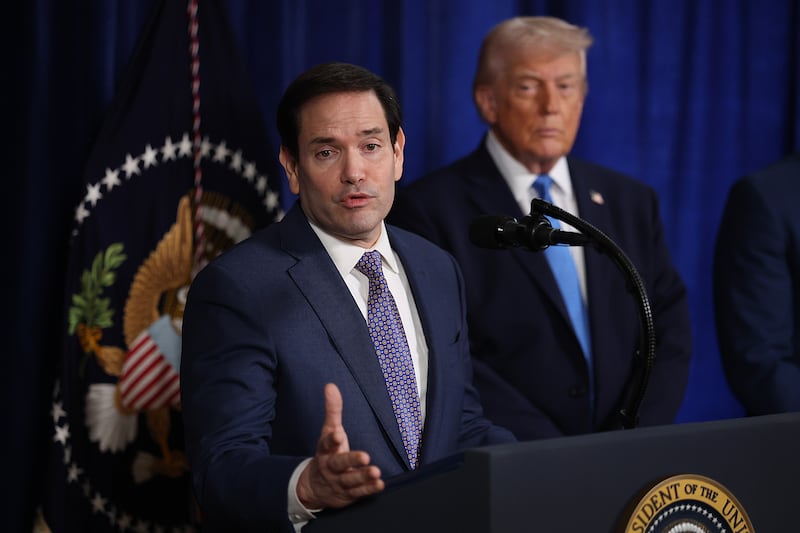
But to the extent that the administration plans to try—Trump said he’s “not afraid to have boots on the ground” if necessary—the more obvious choice would be Secretary of State Marco Rubio, who has spent much of his career as a Venezuela hawk and has emerged as the face of the takeover.
Rubio, however, already has his hands full as the nation’s top diplomat, acting administrator of the U.S. Agency for International Development, and acting archivist for the National Archives and Records Administration.
That means the daily handling of Venezuela could fall to Miller, who is largely responsible for the president’s mass deportation drive, according to the Post.
The newspaper’s sources didn’t elaborate on what exactly the job would entail or what would qualify Miller to do it.
The Daily Beast has reached out to the White House for comment.
In a possible preview of Miller’s post-invasion credentials, the anti-immigration crusader posted a historically confused pro-empire rant on social media late Sunday.
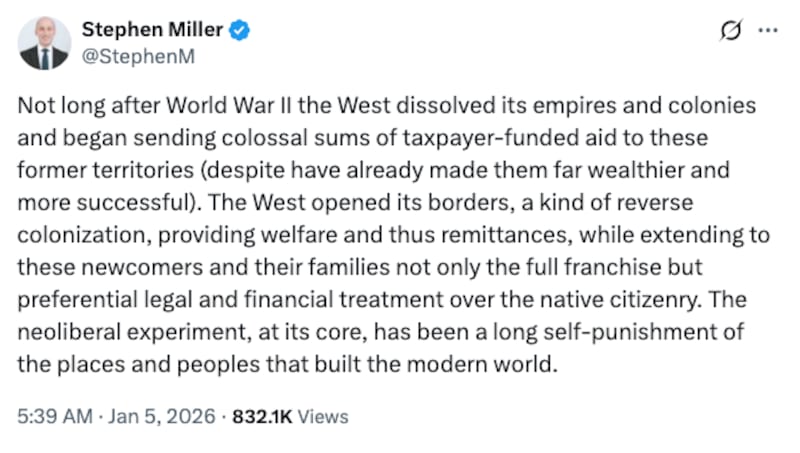
“Not long after World War II the West dissolved its empires and colonies and began sending colossal sums of taxpayer-funded aid to these former territories (despite have already made them far wealthier and more successful),” he wrote. “The West opened its borders, a kind of reverse colonization, providing welfare and thus remittances, while extending to these newcomers and their families not only the full franchise but preferential legal and financial treatment over the native citizenry. The neoliberal experiment, at its core, has been a long self-punishment of the places and peoples that built the modern world.”

The West, of course did not “dissolve” its empires as an act of penance; former British colonies demanded independence after centuries of exploitation. Members of those former colonies were then recruited to fill labor shortages in critical sectors, such as health care, not given “preferential legal and financial treatment,” as he claimed.
Rubio and Miller were the chief architects of the escalating pressure campaign on Nicolás Maduro, including deadly strikes on alleged drug-smuggling boats in the Caribbean and Eastern Pacific, and a CIA drone strike at a docking facility in Venezuela, CNN reported.
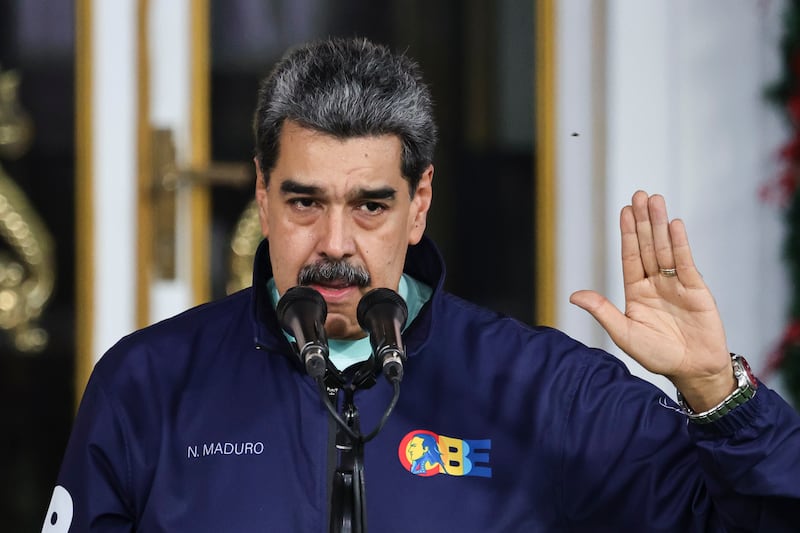
The plan all along was to oust Maduro, even as the administration told members of Congress that regime change was not the goal, according to CNN.
Officials don’t seem to have spent nearly as much time developing a strategy for what would happen next. Maduro’s allies in Caracas are still in power, with Vice President Delcy Rodríguez taking over as interim president.
Trump, however, insisted on Sunday that the U.S. was in control and demanded “total access” from Rodríguez, who he said will “pay a very big price, probably bigger than Maduro,” if she doesn’t “do what’s right.”
“Don’t ask me who’s in charge, because I’ll give you an answer, and it’ll be very controversial,” he said. “We’re in charge.”
Those statements flew in the face of Rubio’s efforts to downplay U.S. involvement in the country following Maduro’s ouster.

On Sunday, Rubio dodged answering when Kristen Welker of NBC’s Meet the Press asked him point-blank if he was running Venezuela.
“People keep fixating on that,” he replied. “Here’s the bottom line on it: We expect to see changes in Venezuela. Changes of all kinds, long-term, short-term. We’d love to see all kinds of changes. But the most immediate changes are the ones that are in the national interest to the United States. That’s why we’re involved here.”