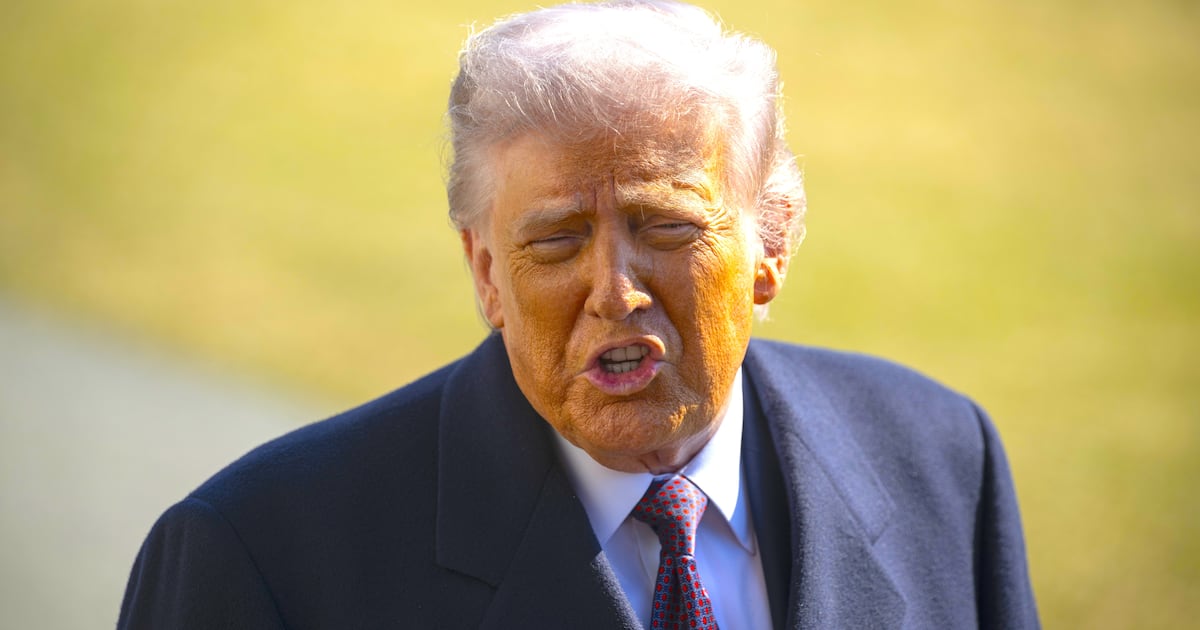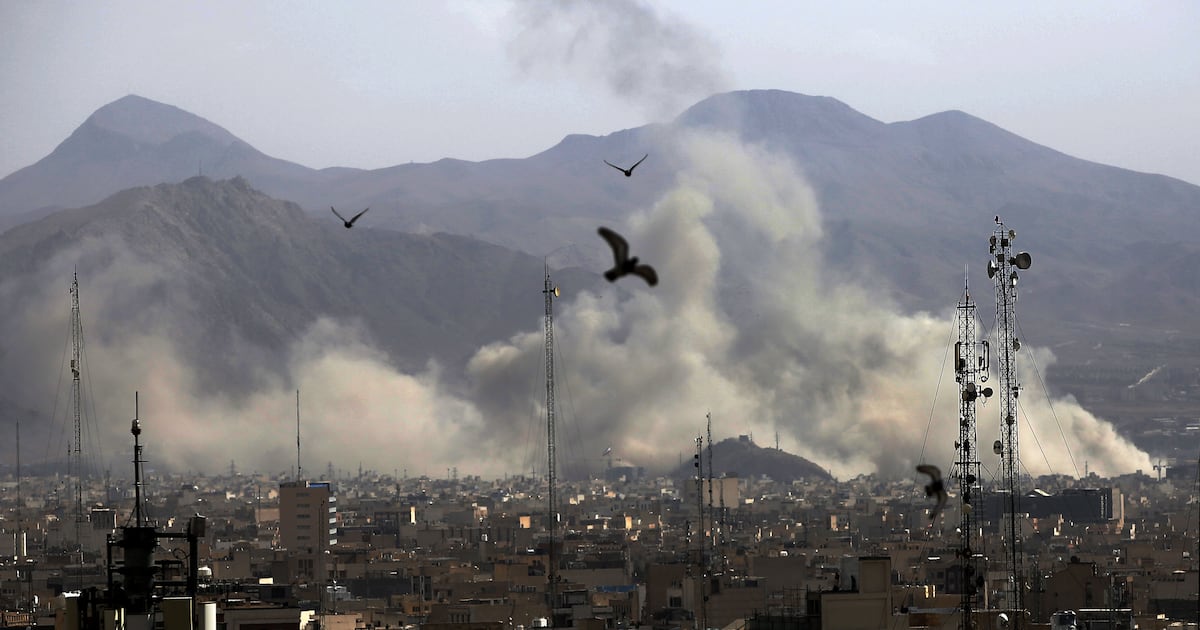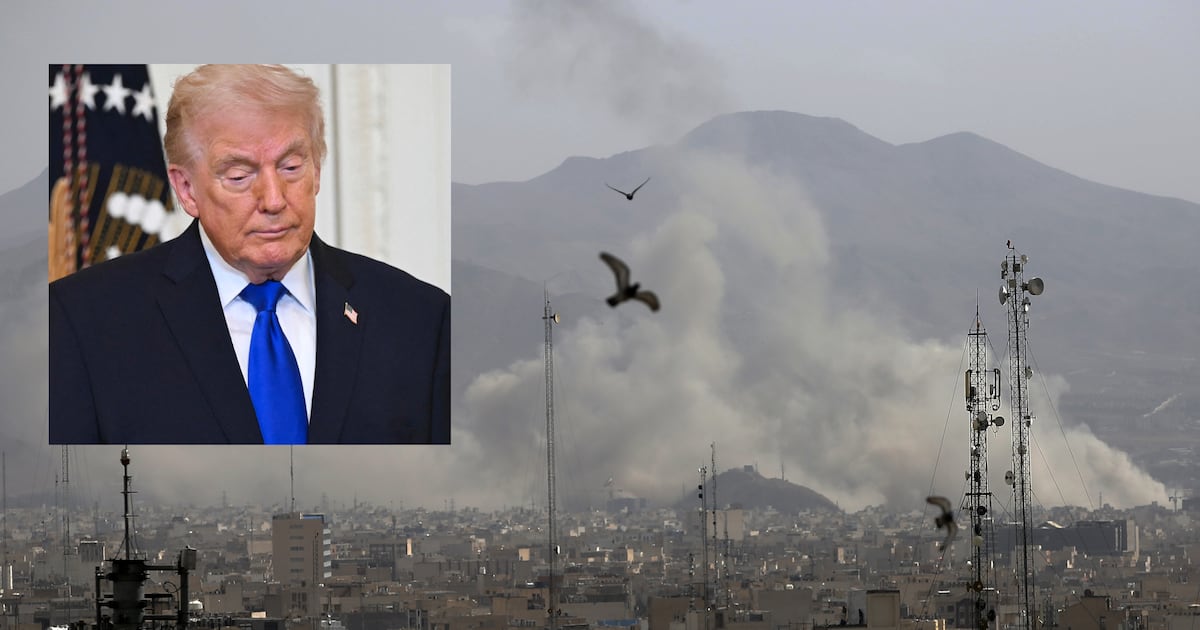
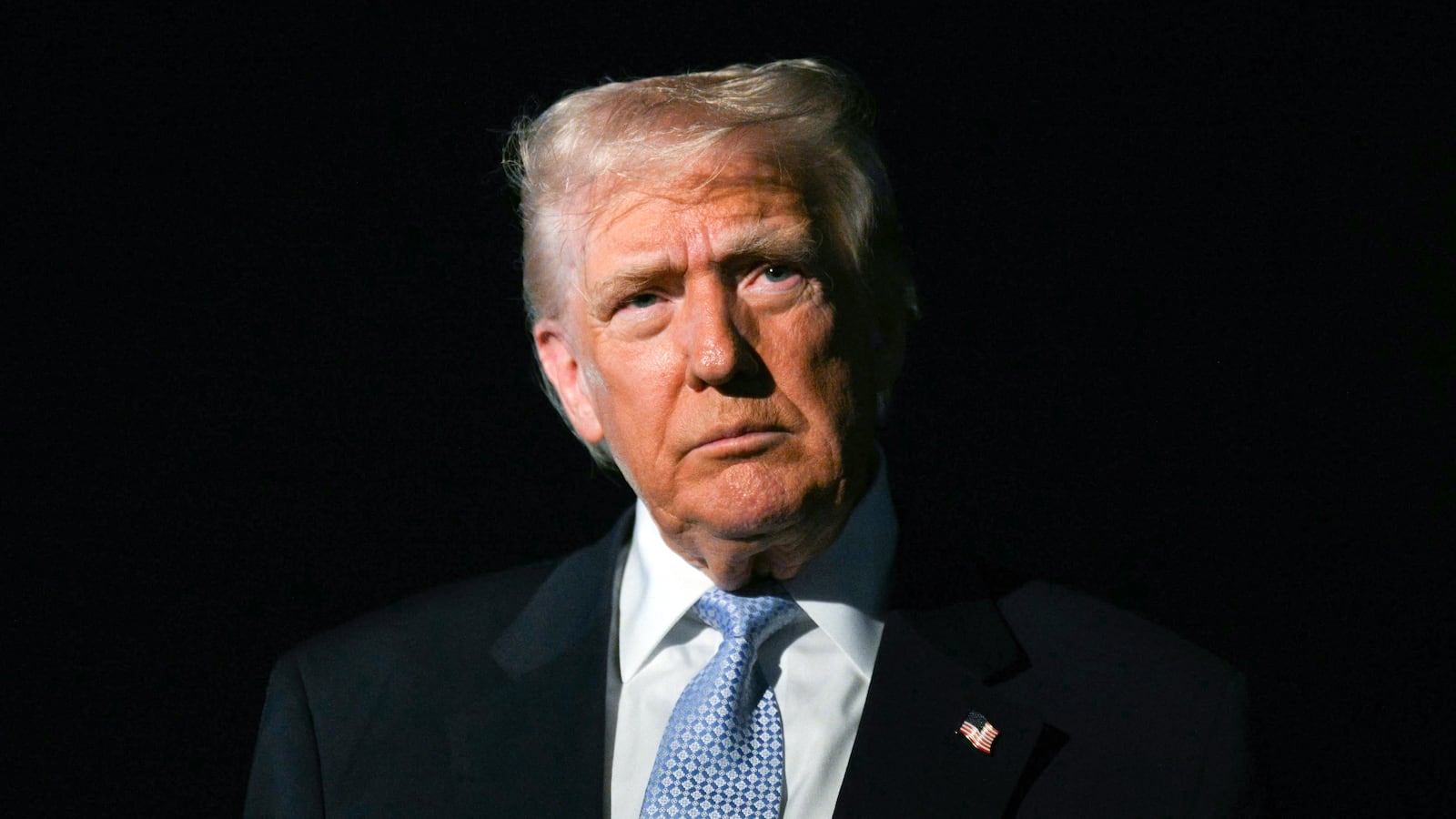
President Trump has invaded one of the only places on Earth where clips of what he’s doing won’t be uploaded online at dizzying speeds.
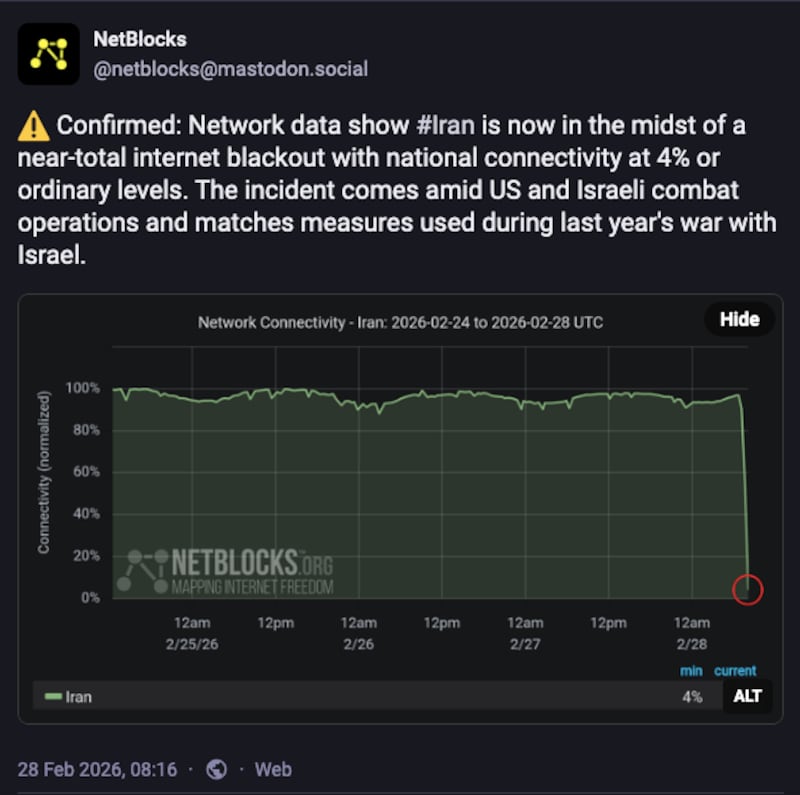
On Saturday, as the U.S. launched an unauthorized strike on Iran, the internet freedom monitor NetBlocks reported that Iran’s online coverage was at around 4 percent of normal levels. The country is dark.
“Network data show #Iran is now in the midst of a near-total internet blackout with national connectivity at 4% or ordinary levels,” the watchdog reported on its social channels.
Since Vietnam, conflict has become increasingly visible for the folks back home, first through TV and now via hordes of citizen journalists capturing the horrors of war through camera phones and high-speed internet connections. Without stable internet, this is unlikely in Iran.

Part of Trump’s justification for the joint strikes with Israel, he claimed in an announcement on Saturday, is to open the door for citizens living under the authoritarian Islamic Republic to overthrow it.
When protests erupted in December, initially due to economic grievances, fears soon rose that the regime was responding violently, and that demonstrators could be slaughtered.

On Jan. 8, Iran unplugged. Internet access for people living in the country was shut down, and the foreign press was barred from entering.
Many of the events that followed occurred without the usual cadence of real-time, ground-level updates posted online. Iranian Supreme Leader, Ali Khamenei, acknowledged that “several thousand” people had been killed in the violence. Rights groups think that number could be far higher.
Human Rights Activists News Agency said that as of Jan. 29, it had counted a confirmed death toll of 6,479, with more than 17,000 cases under investigation.
Wired reports that the internet was restored for many on Jan. 23, but not for everyone, with patchy coverage and poorer connectivity than monitoring tools might suggest.
Now it has gone again.

The Iranian population’s digital isolation means that as Operation Epic Fury, as the Trump administration has dubbed the strikes, unfolds, scenes from the fallout in Iran are less likely to make their way onto the world’s screens.
Few will have missed the horrific scenes of Ukrainians being stretchered away under stricken apartment blocks. On the day that Russian tanks and troops poured over the border, news feeds were flooded with videos of soldiers in the streets, armor columns, and helicopter formations.

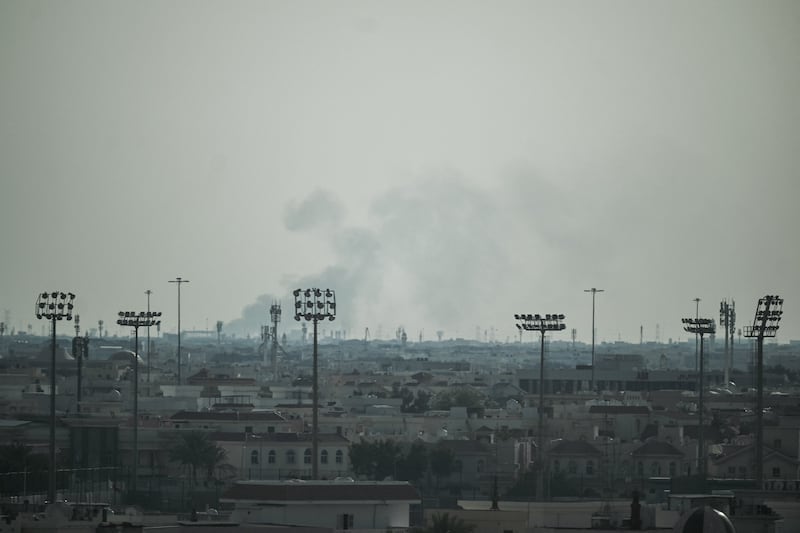
Already, the majority of videos appearing online seem to be from Iran’s retaliation in Bahrain and the United Arab Emirates. Far less footage has emerged from inside Iran, and many of the videos circulating are credited to Iran’s state media.

It’s not just strikes from the U.S. and Israel that Iranians are poised to contend with. In his address on Saturday morning, Trump told the country’s citizens, “When we are finished, take over your government. It will be yours to take.”