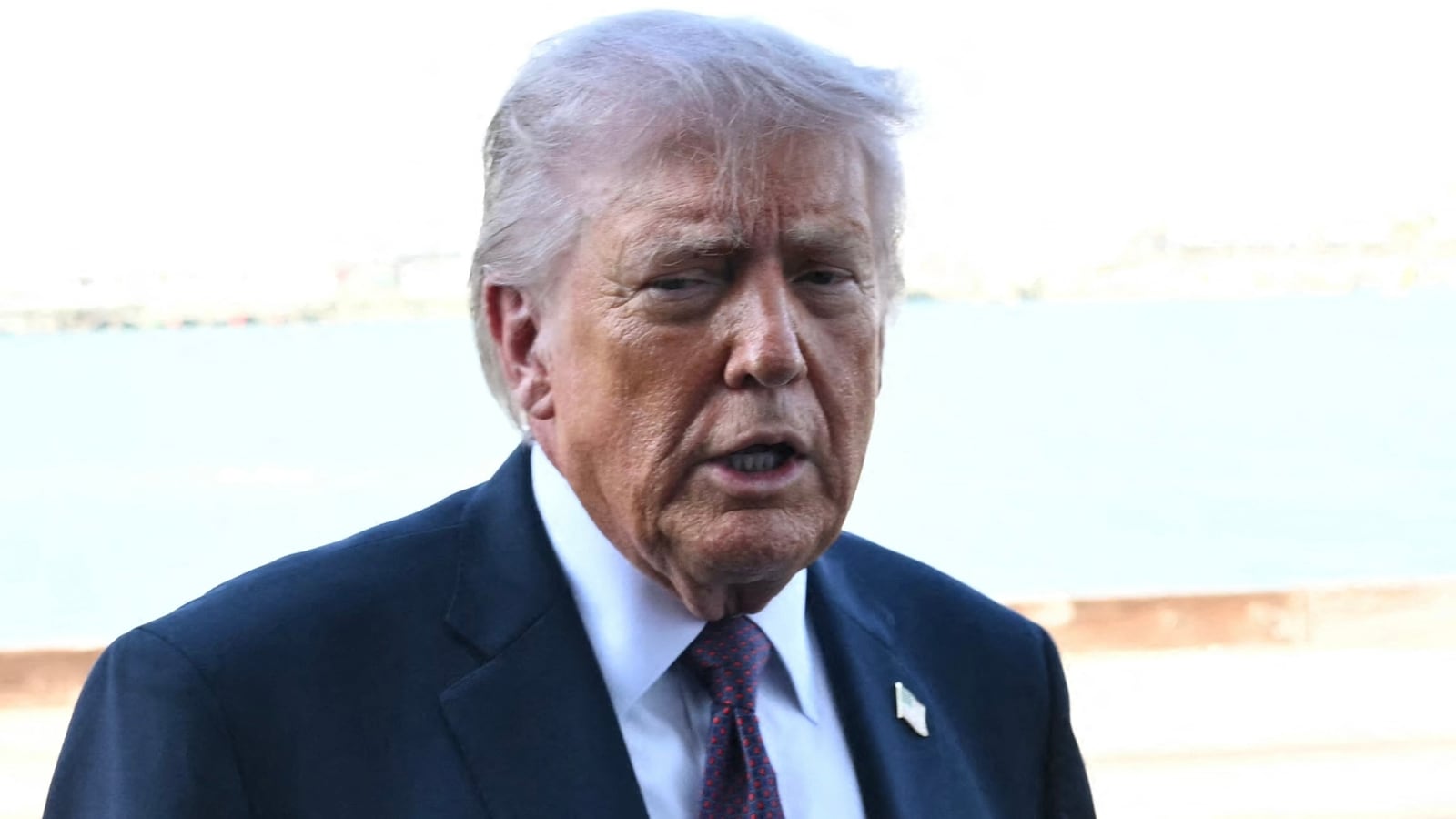
Donald Trump has been forced into an awkward climbdown after shrugging off Volodymyr Zelensky’s offer to help counter Iranian drones—then going back to ask for it after all.
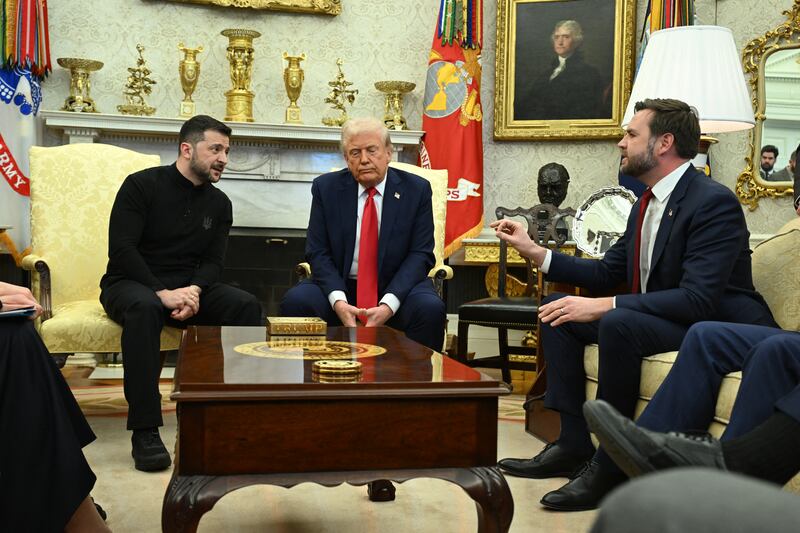
In February last year, the U.S president, 79, and his Vice President JD Vance, 41, publicly humiliated the Ukrainian President, 48, during an explosive Oval Office confrontation.
The meeting turned into what was widely seen as an ambush as Vance scolded Zelensky over a perceived lack of gratitude towards America for its support in Ukraine’s war with Russia. Trump mocked Zelensky’s appearance and accused him of “gambling with World War III” before later declaring he could come back when he was “ready for Peace.”
Now the balance has shifted. Axios reported Tuesday that Zelensky had already tried to sell Trump on Ukrainian anti-drone expertise at a closed-door White House meeting last August.
His team showed U.S. officials a presentation warning that Iran was improving its Shahed design and proposing regional hubs to defend American bases and allies from the threat.
The presentation warned that Iran was improving the drones’ design and proposed “drone combat hubs” in allied states near U.S. bases. Despite Zelensky’s team pitching it in Trump-friendly terms, with a discussion of jobs, manufacturing, and a share in production, the administration demurred.
Two U.S. officials now see that decision as a massive blunder, Axios reports. “If there’s a tactical error or a mistake we made leading up to this [war in Iran], this was it,” one was quoted saying.

One U.S. official who saw the presentation told Axios the pitch was essentially written off as “Zelensky being Zelensky,” while a Ukrainian official said Trump asked his team to work on the idea but “they have done nothing.”

But last Thursday, the U.S. formally asked Zelensky for anti-drone help, and Zelensky later said Ukrainian interceptor drones and specialists had been sent to help protect U.S. bases in Jordan.
The reasons for the reversal are obvious, according to Axios, which reported that Iranian Shahed strikes have been linked to the deaths of seven U.S. servicemembers and have forced the U.S. and its allies to spend heavily on interceptions.
The Associated Press separately reported that American officials described the anti-drone response so far as “disappointing,” even as the Pentagon moved to deploy its own Merops system to the region.
All of which means the technology Trump shrugged off months ago is now urgently useful. And Zelensky, whom Trump and Vance dressed down in public, is now being treated as the leader of the one country with the deepest real-world experience in stopping the very drones that have exposed a hole in U.S. planning.
Even Trump’s tone has changed. Asked about Zelensky’s offer of help last week, Trump said: “Certainly, I’ll take, you know, any assistance from any country.”

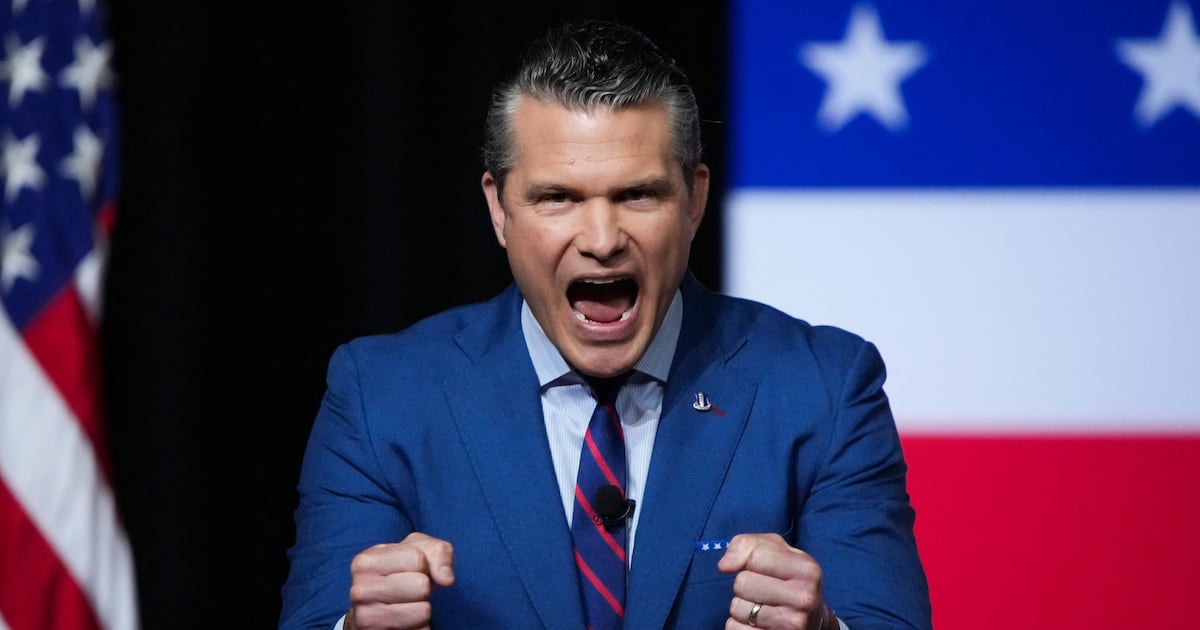
White House spokesperson Anna Kelly told the Daily Beast that Defense Secretary Pete Hegseth and the military had planned for “all possible responses” from Tehran, while insisting Operation Epic Fury had been an “undisputed success.”
The Pentagon declined to comment.