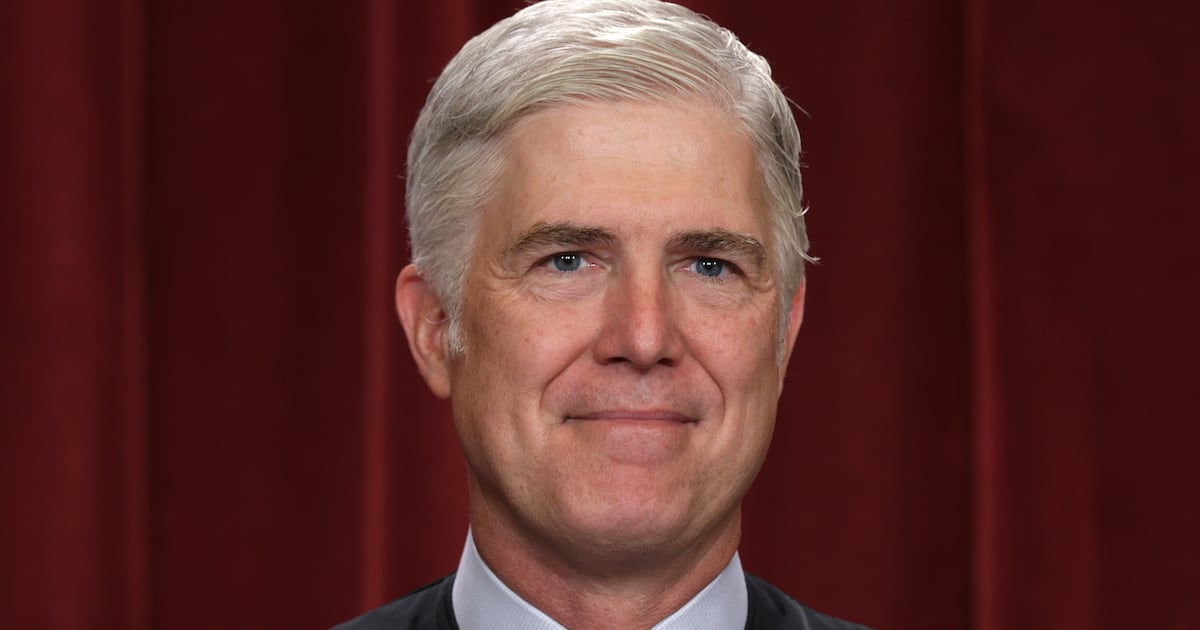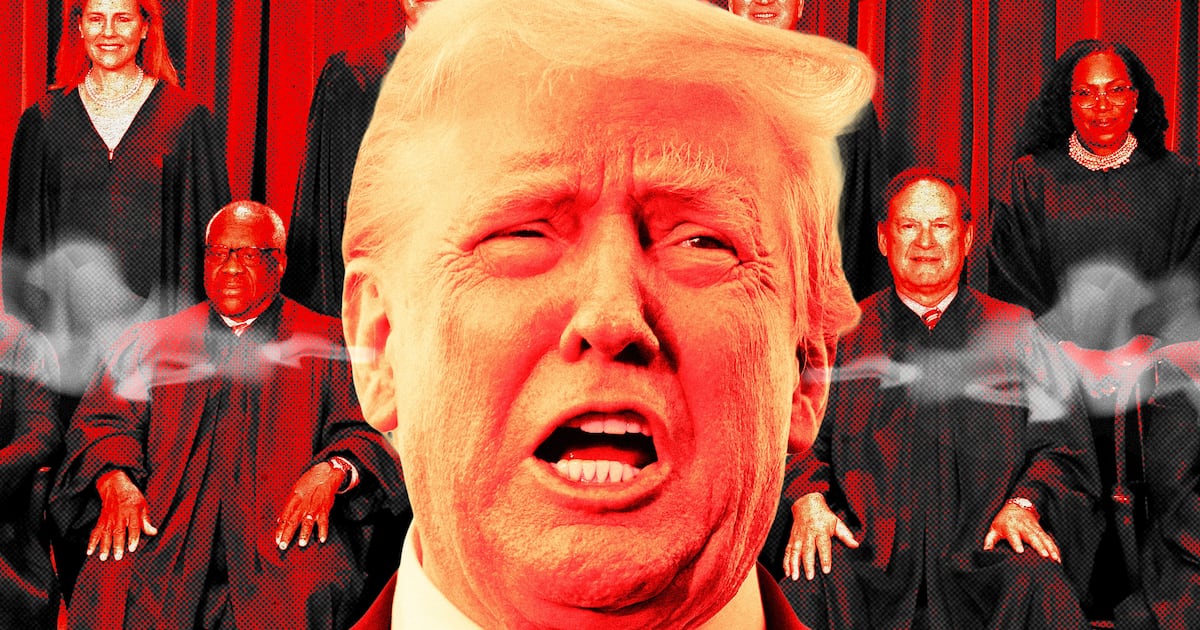
Neil Gorsuch wrote a scathing concurring opinion calling out his fellow conservative justices following the Supreme Court ruling striking down the president’s tariffs.
The court’s decision was made based on the “major questions doctrine,” which states that a policy of major national significance must be enacted with clear congressional support. Gorsuch criticized the court on Friday for its lack of consistency in its application.
Gorsuch, who was appointed by President Donald Trump in 2017, was one of six justices to rule against the signature economic policy.
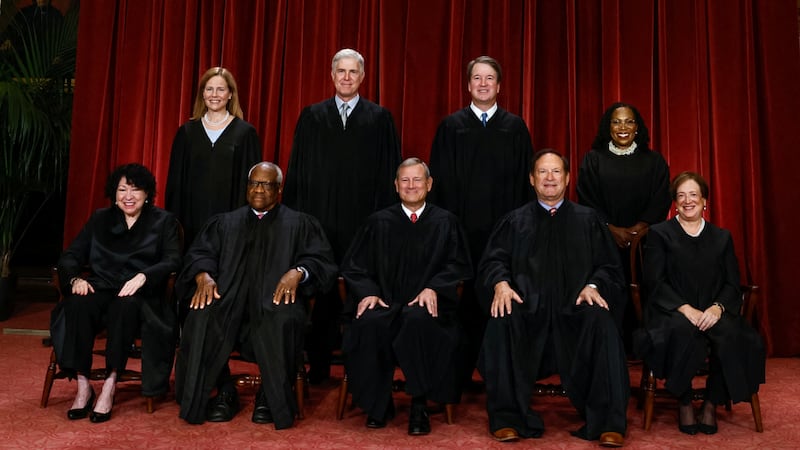

Gorsuch asserted that the other justices apply the major questions doctrine differently depending on who is in charge. For example, it was used to justify striking down former President Joe Biden’s student loan forgiveness plans, a 6-3 ruling along ideological lines.
This time, half of the conservative justices split from the majority opinion to support Trump and his tariffs.
“Still others who have joined major questions decisions in the past dissent from today’s application of the doctrine,” he said, referring to dissenting justices Clarence Thomas, Samuel Alito, and Brett Kavanaugh.

He also had pointed criticism toward Thomas, who he said “submits that Congress may hand over to the President most of its powers, including the tariff power, without limit.”
“It is an interesting turn of events,” Gorsuch said.
Gorsuch also addressed liberal justices Sonia Sotomayor, Elena Kagan, and Ketanji Brown Jackson, whom he similarly believes were inconsistent about the doctrine.

Kagan, joined by Sotomayor and Jackson, wrote a concurring opinion saying the ruling could be reached without the use of the doctrine, which they have historically been critical of. Gorsuch noted that they did not object to the doctrine’s use.
“Past critics of the major questions doctrine do not object to its application in this case, and they even join much of today’s principal opinion,” he wrote. “But, they insist, they can reach the same result by employing only routine tools of statutory interpretation.”
Gorsuch’s opinion spoke to growing fears about the politicization of the court, which, despite ideological splits, has typically been regarded as politically insulated.
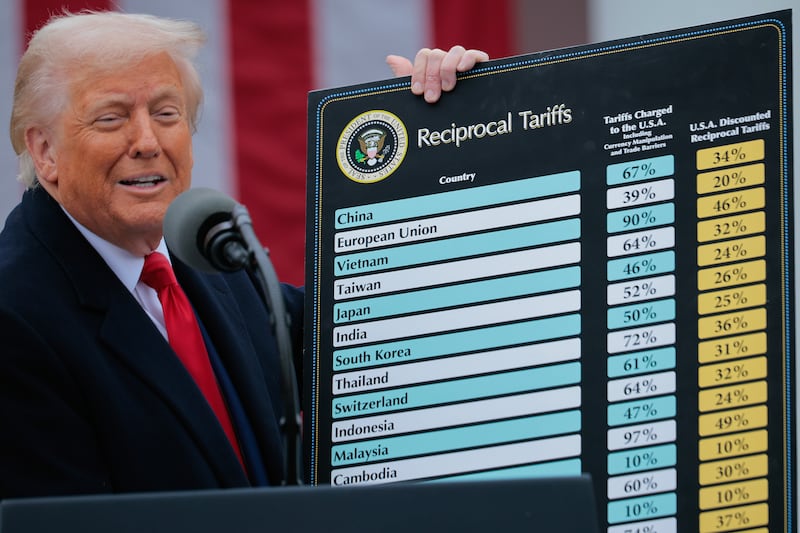

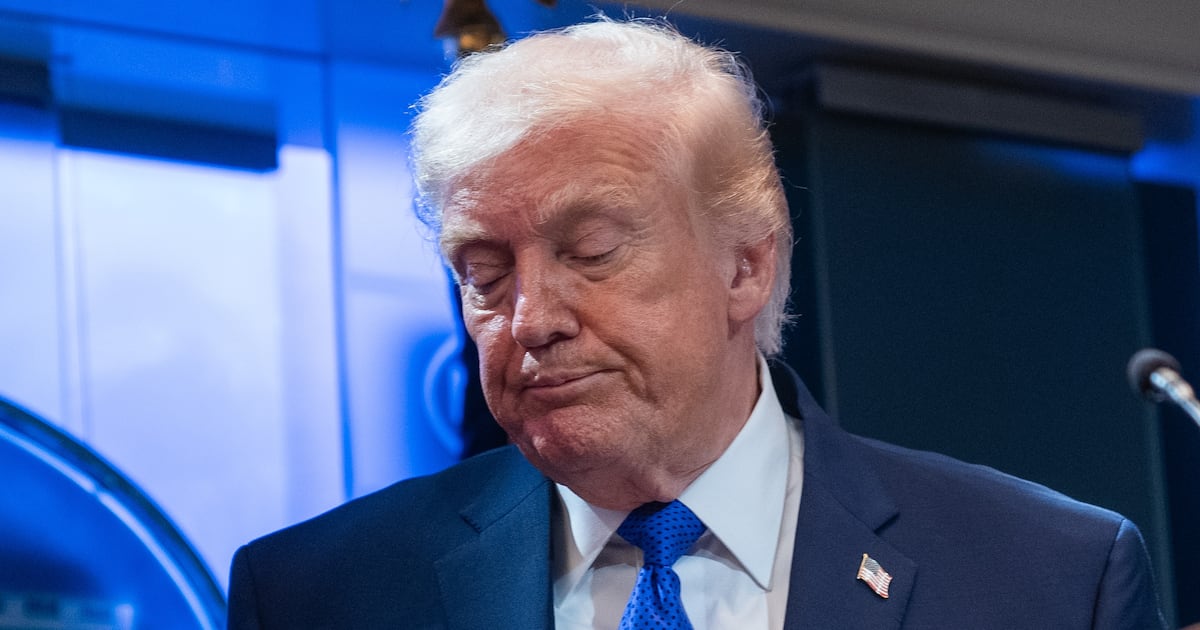
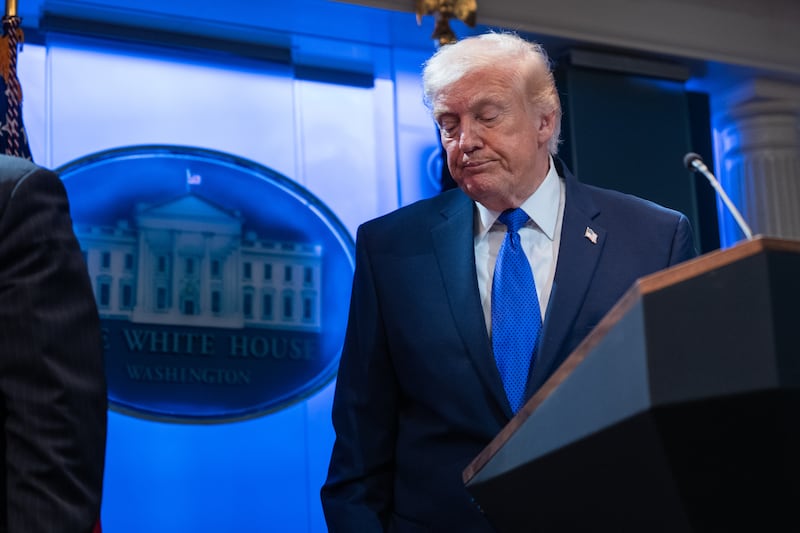
Trump insulted the justices who ruled against him, including his first-term appointees Gorsuch and Amy Coney Barrett. He called them “lap dogs,” a “disgrace to our nation,” and “disloyal to the Constitution.” The president also reportedly went on a tirade against the court during a meeting with the nation’s governors.
Despite the court’s ruling, Trump announced on Friday that he was rolling out a 10 percent global tariff, which he said would be “effective almost immediately” in a Truth Social post. By Saturday morning, the president said the global tariff would actually be 15 percent.