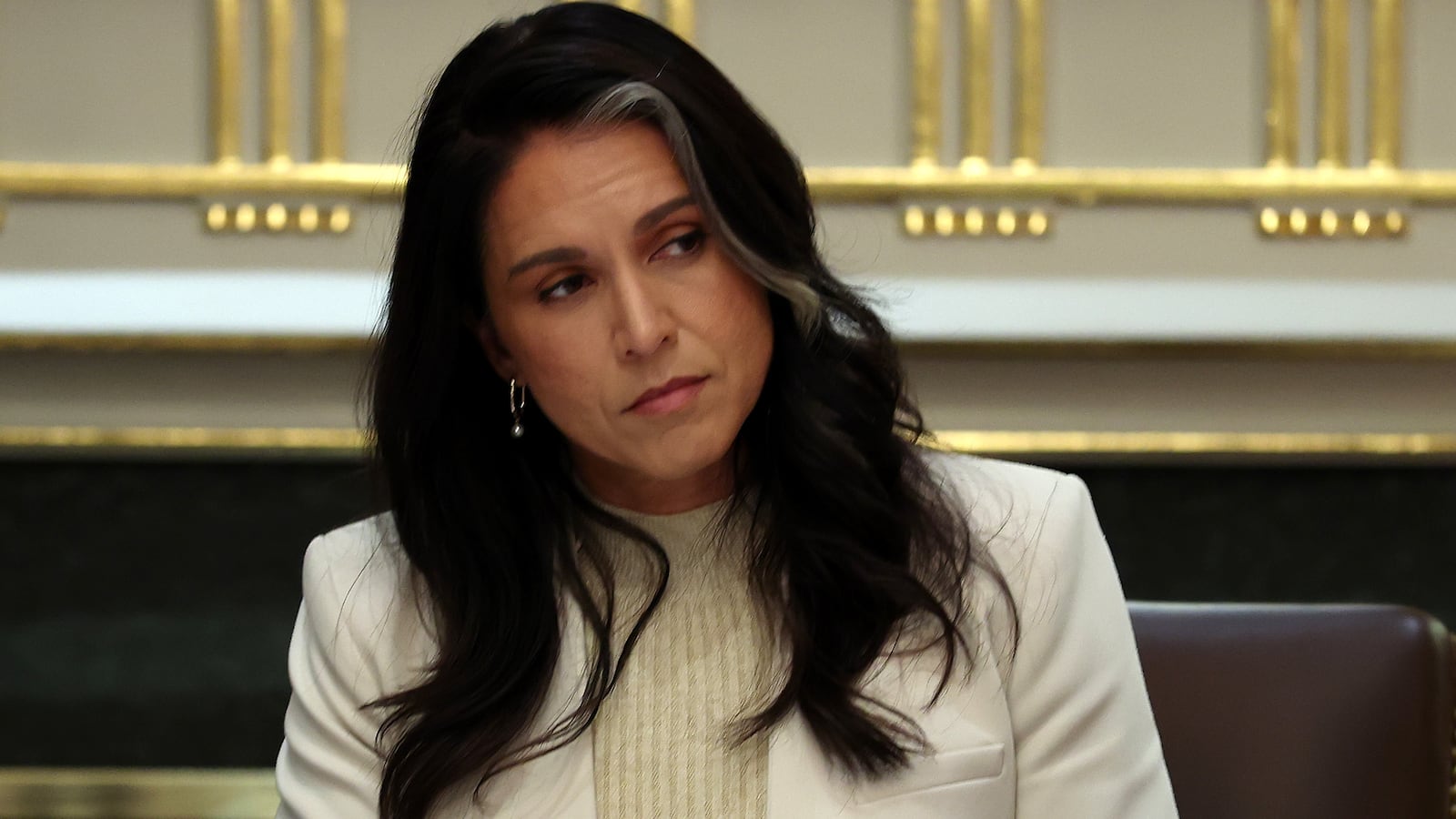
National Intelligence Director Tulsi Gabbard has been confronted over a controversial fundraising email seeking money for Donald Trump by exploiting soldiers killed in the Iran war.
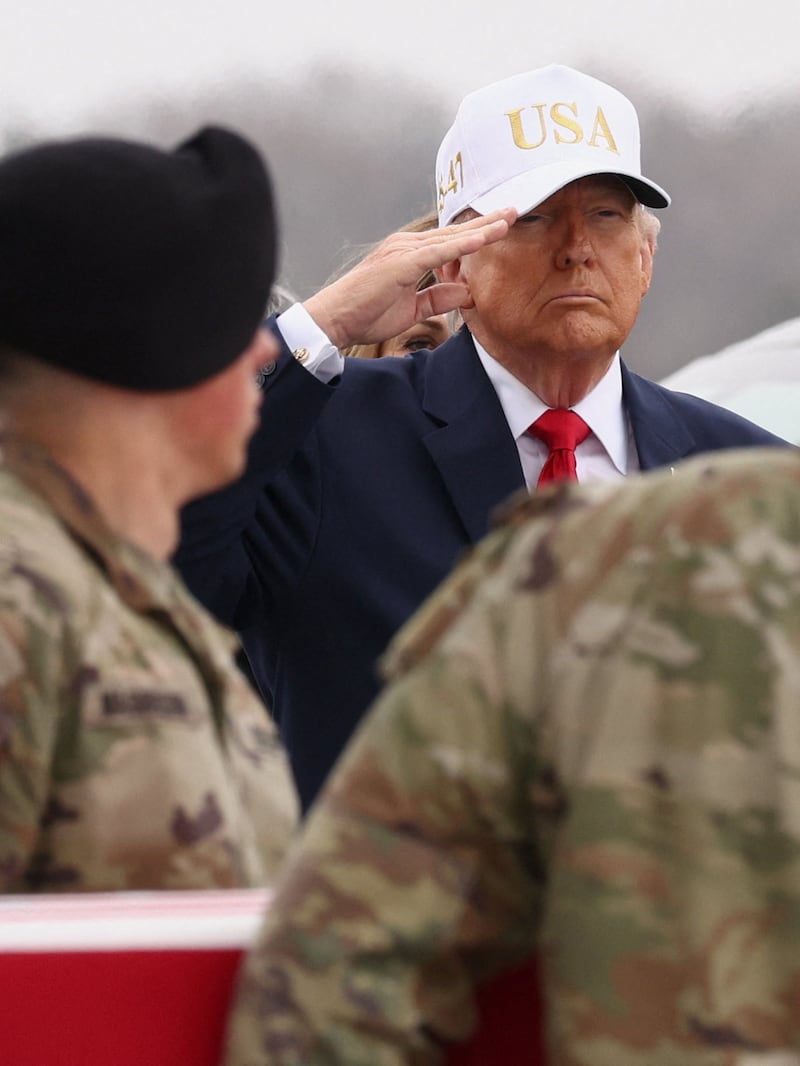
The president came under fire last week when one of his fundraising committees sent out a shameless email featuring an image of Trump attending a dignified transfer honoring six fallen soldiers. It promised access to the president’s “private national security briefings” in exchange for donations.
“I AM PRESIDENT DONALD J. TRUMP. YOU’RE THE ONLY REASON WE SAVED AMERICA,” the fundraising document reads.
“NOW I AM ASKING YOU TO CONSIDER MAKING A SMALL SUSTAINING CONTRIBUTION, SO WE CAN COMPLETE THE MAGA AGENDA! CAN I COUNT ON YOUR SUPPORT?”
The email was sent by Never Surrender Inc, a political action committee (PAC) associated with Donald Trump’s 2024 presidential campaign.
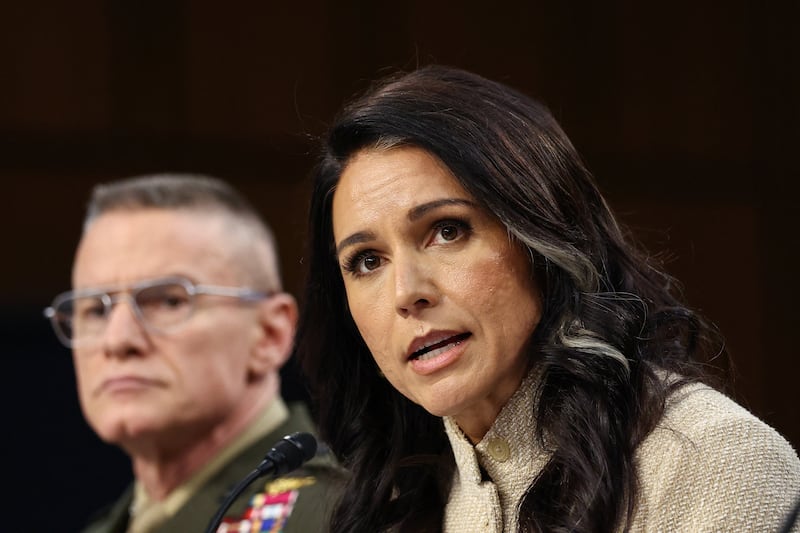
But Gabbard, who oversees the nation’s intelligence agencies, found herself cornered over the document during a Senate committee hearing on Wednesday.
“The American people need to know that the president of the United States is fundraising for his political campaign and his PAC using images of American service members killed in action,” said Georgia Democrat Jon Ossoff.
The email then urges Trump fans to “claim your spot” in what it describes as an exclusive group that receives updates on national security threats.
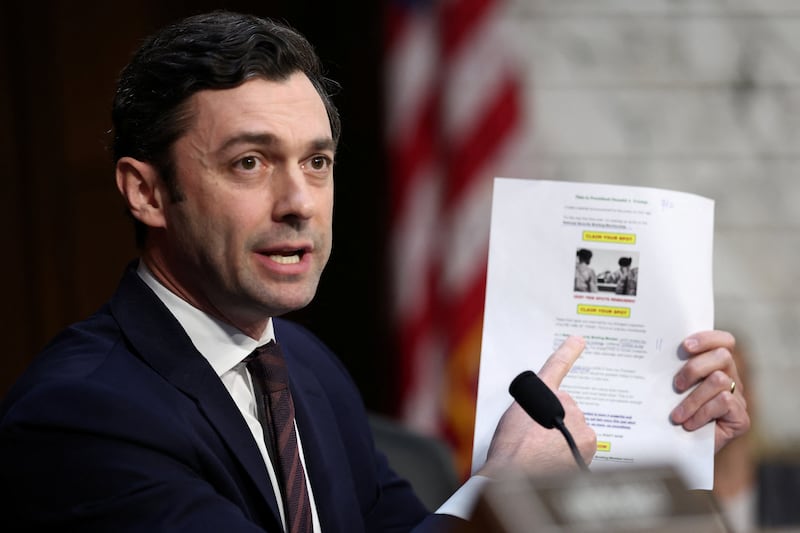
People who donate would, in turn, receive “the straight truth on border invasions, foreign adversaries, deep state sabotage, and every danger the fake news hides.”
Asked by Arizona Senator and military veteran Mark Kelly whether people who give money to Trump should have access to such briefings, Gabbard replied: “I’m not familiar with that document.”
“It was made public six days ago,” Kelly said. “We’ll get you a copy.”

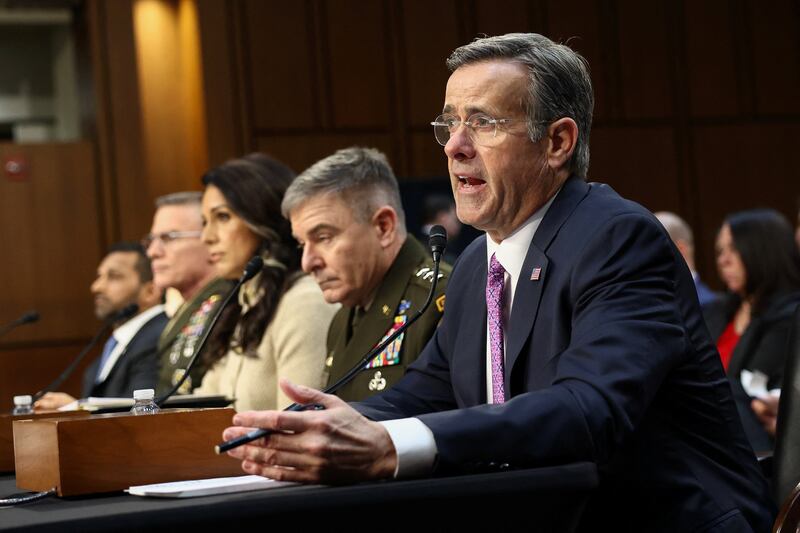
CIA Director John Ratcliffe also attended the hearing and faced the same question.
“I don’t know what the document is, but regardless of what it says, it didn’t happen,” Ratcliffe said, suggesting Trump supporters donated money to the committee and got nothing in return.
“Well, what’s new?” Kelly replied.
This was not the first time that Trump’s questionable fundraising has come under scrutiny.
In the weeks after the January 6 attack in 2021, his campaign and affiliated groups sent a barrage of emails urging supporters to “defend election integrity,” raising tens of millions of dollars.
However, congressional investigators later found that much of that money flowed into a leadership PAC—Save America PAC—rather than being used for legal challenges as donors were led to believe.
Trump also faced backlash for his “election defense fund,” which, according to the House January 6 Committee, did not formally exist.
Fundraising emails repeatedly invoked the fund as a vehicle to contest the 2020 results, but investigators said the structure described to donors was, at best, misleading.
The committee also concluded that the tactic was part of a broader strategy to capitalize on false claims of widespread voter fraud.
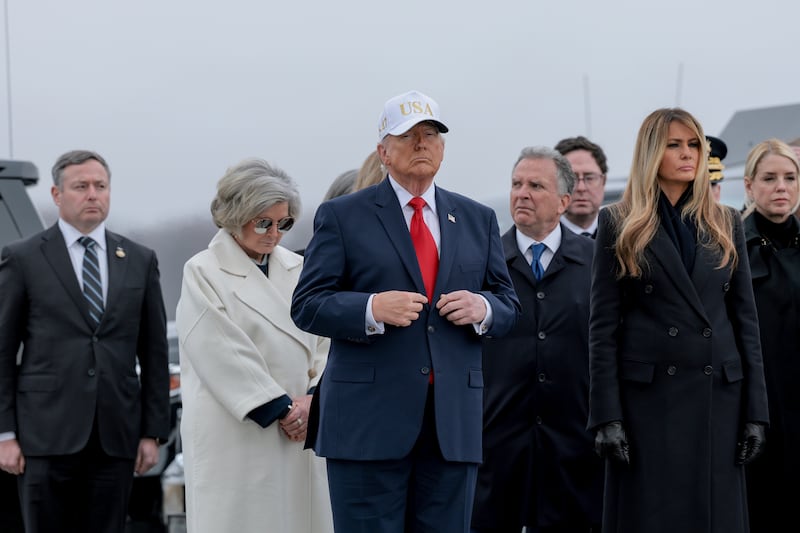
However, using the image of fallen soldiers, and of Trump at their ceremony wearing his own merchandise baseball cap, was particularly contentious in the context of an unauthorized war, now into its third week.
Trump attended another dignified transfer on Wednesday, for another six U.S. troops who lost their lives in a plane crash over western Iraq last week.
However, the families involved requested no cameras at the event, minimizing the risk that their dead relatives would be used for fundraising or publicity stunts.