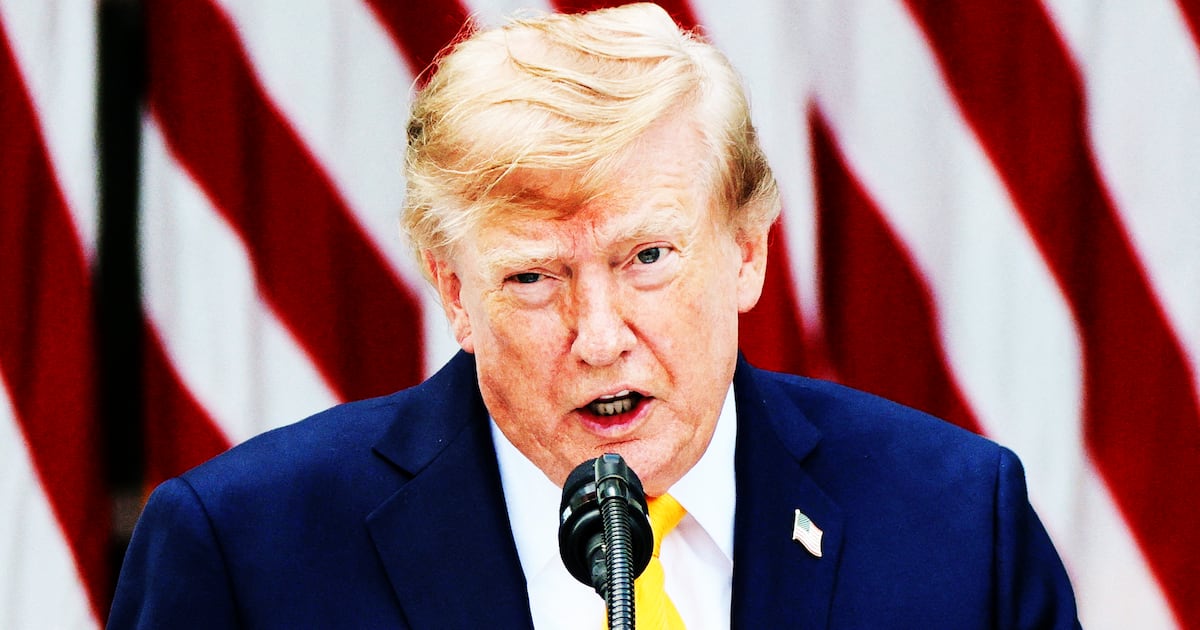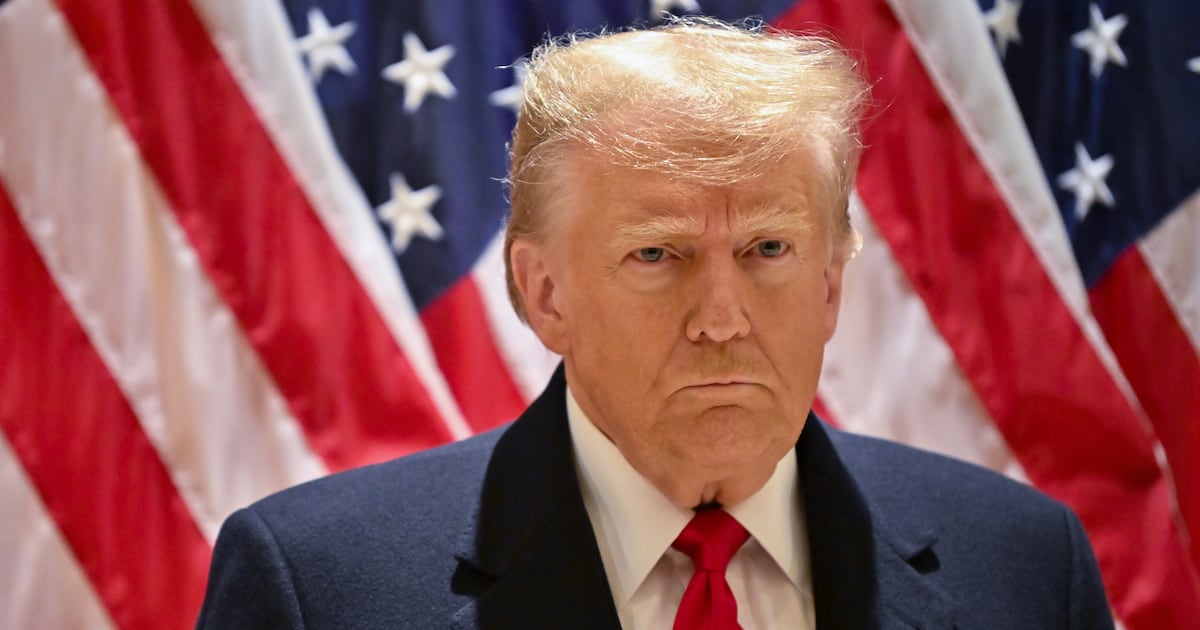

The Pentagon has identified two American soldiers killed in Jordan as fighting in Donald Trump’s war with Iran flared up again.
The two soldiers were killed when Iran launched airstrikes on a U.S. military base in Jordan.
The Pentagon said First Lt. Tyler James Feehan, 25, of Ewa Beach, Hawaii, died in Friday’s attack, while Pvt. Isabella Gonzales, 19, of Carrollton, Texas, was killed in a second strike the following day.
Feehan served with the 32nd Army Air and Missile Defense Command at Fort Bragg, North Carolina. Gonzales was assigned to the 10th Army Air and Missile Defense Command, based in Ansbach, Germany.

The Pentagon also confirmed that a third U.S. service member died Saturday in northern Iraq while handling the wreckage of a downed Iranian attack drone. Officials have not yet released the individual’s name.
The strike in Jordan also left a U.S. soldier unaccounted for. The Pentagon said “unidentified remains” were found on Sunday and are being examined to determine their identity.
Trump reacted to the deaths on Saturday during an interview with NewsNation.
“It’s a very sad thing. We hate to see it happen,” the president said, before quickly pivoting to his favorite Iran talking point. “It’s in service to our country… we’re never, they’re never going to allow Iran to have a nuclear weapon.”

The latest deaths bring the confirmed U.S. military toll to 17 since American and Israeli forces launched their campaign against Iran on Feb. 28.
Fighting kicked off again this month after Trump’s ceasefire with Iran unraveled, with the United States carrying out additional strikes on Iran, and Tehran responding with attacks on U.S. regional allies.
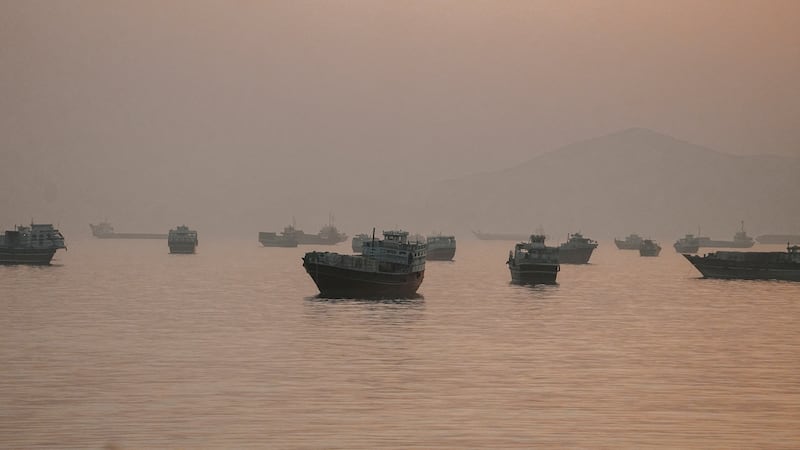
U.S. Central Command has also reinstated a naval blockade of Iranian ports, helping drive oil prices to their highest level in a month.
According to AAA data, gasoline prices have already begun moving back toward $5 a gallon following the breakdown of the ceasefire. If fuel costs continue rising, economists warn that grocery prices could face additional upward pressure in the months ahead.
That dynamic could create a political challenge for Republicans before the midterm elections, particularly as the cost of living remains one of voters’ top concerns in competitive states such as Arizona.
Barrett Marson, a Republican strategist in Arizona, told The Washington Post, “If gas spikes again, Republicans are in trouble. It’s just that simple. People are going to think about their economic situation and vote accordingly, probably up and down the ballot.”

Meanwhile, the U.S. has expanded its strikes in Iran, targeting bridges, power stations, water desalination plants, air defense systems, and missile and drone sites. U.S. Central Command said the attacks were aimed at weakening Iran’s military and limiting its ability to operate in the Strait of Hormuz.
Iranian officials said Sunday that at least 50 people were killed and 517 injured in the latest strikes. The government has not released details on its military losses.