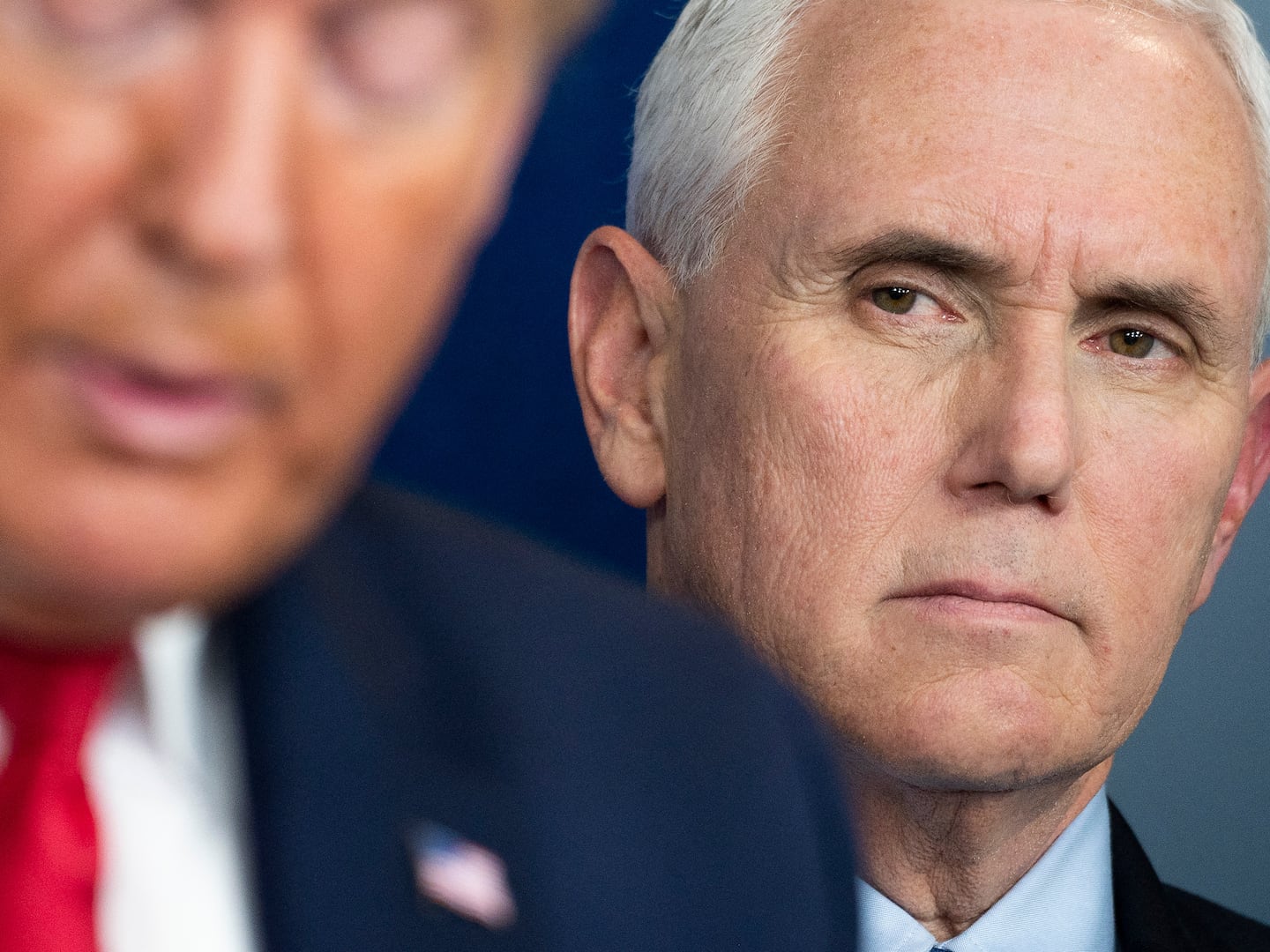
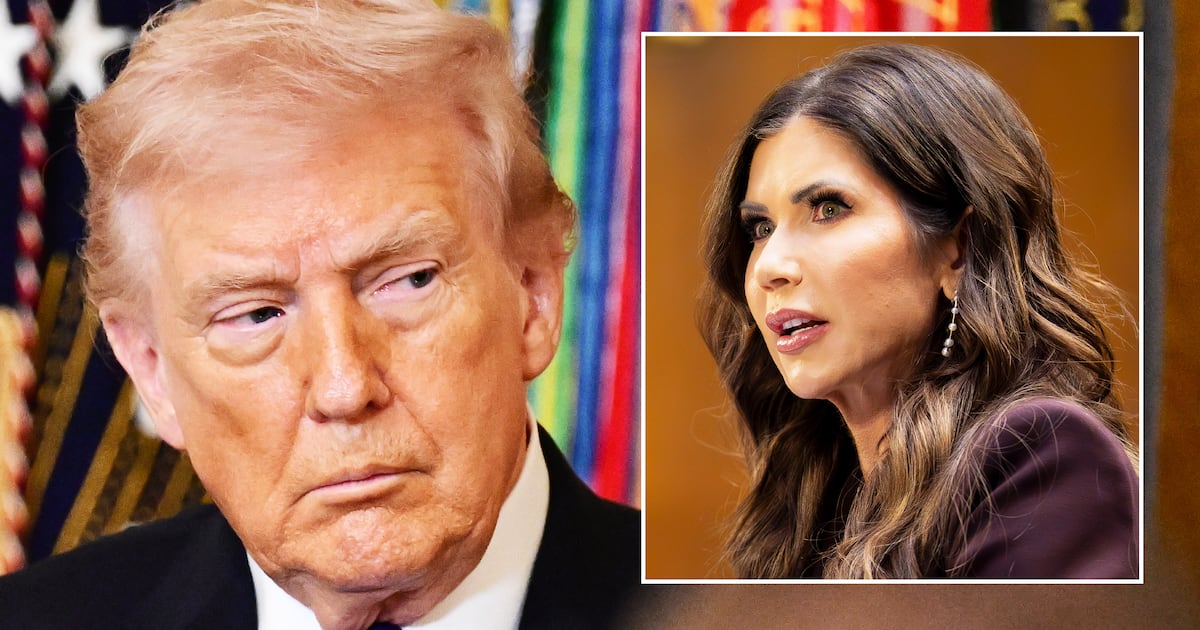
Like many, one of my first thoughts on learning that the U.S. and Israel had gone to war with Iran was how that would affect Russia and China.
They are, after all, devoted allies of Tehran.
Apparently, Donald Trump didn’t have any such concerns.
Neither did his “Secretary of War.” Asked if he was worried about Iran’s two biggest backers becoming involved, Pete Hegseth replied glibly, “They’re not really a factor here.”
Well, it seems he was wrong about that. And we were right to be worried.
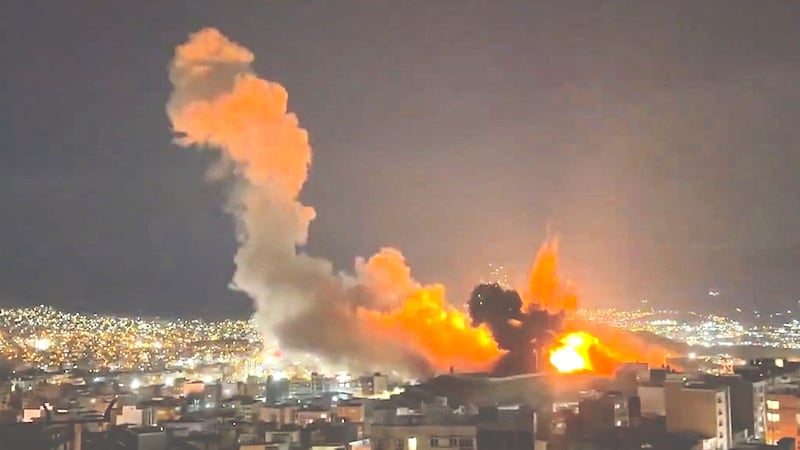
According to The Washington Post, Russia is providing high-quality intelligence to Iran about the movements of American assets in the Middle East, including planes and warships.

The Post suggests the intel also includes locations of command and operations centers, like the Kuwaiti base where six U.S. troops were killed in a drone attack on Sunday.
It is a worrying development in a war that, despite what the administration tells us, is not going to plan.
That is, if there was really a plan in the first place.
No doubt, the chairman of the Joint Chiefs of Staff, Dan Caine, and his generals at U.S. Central Command know what they’re doing. Trump’s right about one thing: they do have the world’s most powerful war machine at their disposal.
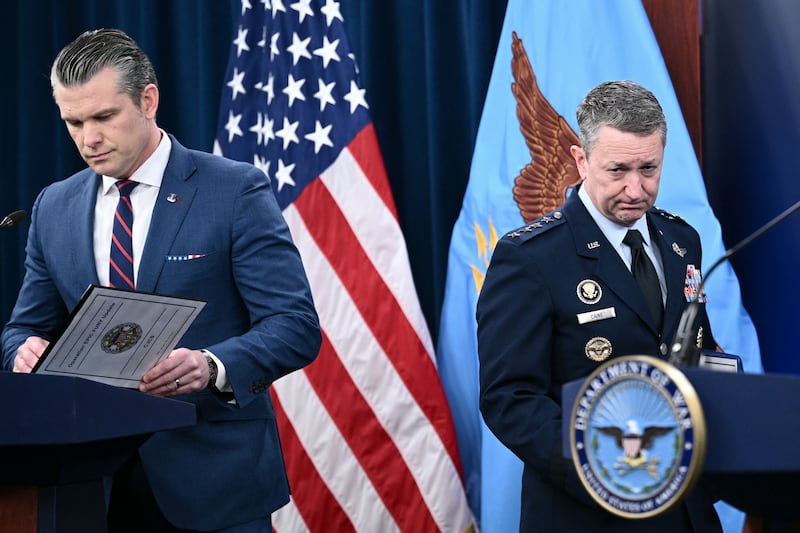
But the only political forward planning seems to be that the U.S. will keep bombing until Trump tells them to stop.
Little thought appears to have been given to the thousands of Americans working and vacationing in the Middle East when Trump started firing missiles at their neighbors over the weekend.

An automated hotline saying there was no government help available—basically that citizens in the region were on their own—was only updated days into the bombings.
Nor were there any plans for another obvious outcome of a Middle East conflict—rocketing gas prices and a shortage of fuel at the pumps.
But Russia’s active involvement in the conflict is another matter altogether.
Perhaps Trump relied on his so-called friendship with Vladimir Putin to give him a pass on Iran.
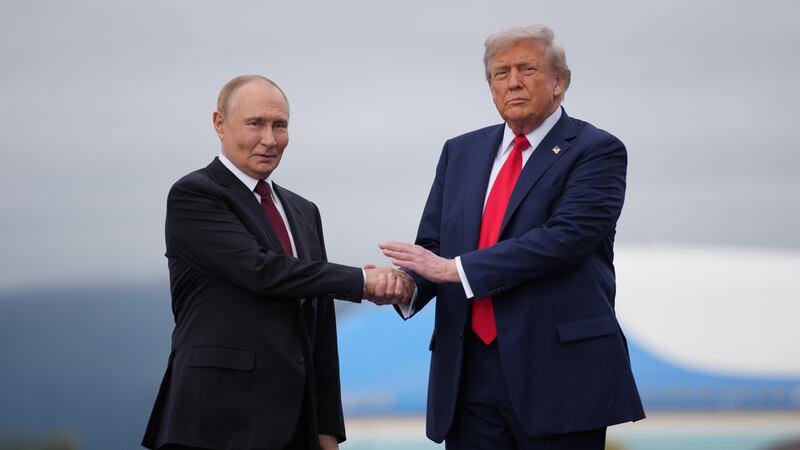
As has become increasingly clear, however, Putin has been playing Trump for a chump for months. Make that years.
In a delicious moment of irony for Volodymyr Zelensky, the Ukrainian leader humiliated by Trump and JD Vance in the Oval Office a year ago, he was asked by the Americans for help dealing with Iran’s sophisticated Shahed drones that were also used by Russia.
Last week, at a planning meeting at the White House, Caine reportedly warned about the jeopardy of starting a war without the support of allies and a possible shortfall in munitions depleted by helping Ukraine.
Gulf allies like Bahrain, Kuwait, Oman, Qatar, Saudi Arabia, and the United Arab Emirates—oil-rich nations that have formed lucrative relationships with the Trump family—have reportedly complained they weren’t given sufficient warning before Iran’s retaliation missiles started raining down on them.
Spain and the U.K. were told at the last minute that the U.S. wanted to use their bases, a plea the Spanish refused.
And India was furious after the U.S. torpedoed the Iranian destroyer IRIS Dena, which was said to be “defenseless” after joining an international exercise as a guest of the Indian Navy.
It all smacks of an administration going to war on a whim. Or as President Trump called it, “a feeling.”
Propagandist-in-chief Karoline Leavitt argued on Fox on Friday that Russia leaking intel to Iran “doesn’t really matter.”
Then she went back to ranting about how great it was all going. The administration works on the premise that if you say something loud and long enough, the public will believe it is true.
Even if the U.S. is “winning,” the danger is that a cornered enemy will become increasingly desperate. It may even appeal to its friends to come to its aid.

Then the worst fears of the Cold War could come true a quarter of a century after the threat was supposed to have gone.
The truly terrifying thing is that world wars are sparked by less.
Russia will argue that helping the Iranians against the U.S. is little different than the Americans helping the Ukrainians against Russia.
From such beginnings, very bad things can quickly happen.
The assassination of the Austro-Hungarian heir Archduke Franz Ferdinand by a Serbian nationalist in Sarajevo started a chain reaction in 1914 that erupted into World War I. More than 40 million people, military and civilian, died over the next four years.
World War II started in 1939 when Nazi Germany invaded Poland, and Britain and France declared war two days later. That conflict claimed 70-85 million lives.
The lessons are clear. It does not take much to start a war.
Only World War III will be much shorter.
And infinitely more deadly.